
The quick choice
- Santorini if the view is the trip: cliffside hotels over the volcanic caldera, sunsets, and wineries.
- Mykonos if you want beach clubs, nightlife, and a lively harbor town.
- Naxos if you want long sandy beaches, mountain villages, and a slower, bigger island.
Many first-timers combine two. Naxos can pair well with either Mykonos or Santorini when a direct ferry fits your dates. Check the actual sailing before deciding the island order.
Check your hotel quote for Greece's per-night climate resilience fee, and book early for July and August.
All three islands are in the Cyclades. This guide compares them by the days you want to spend there, how you'll get around, and the cost beyond your room. Choose the island first, then check whether your dates support the flights, ferries and activities you want.
Jump to
- Santorini vs. Mykonos vs. Naxos at a glance
- Choose Santorini when the view is the trip
- Choose Mykonos when you want beach clubs and nightlife
- Choose Naxos when you want beaches and space
- Getting there and between the islands
- Compare the whole stay, not just the nightly rate
- One island or two?
- booking checklist
- FAQ
Santorini vs. Mykonos vs. Naxos at a glance
| Your priority | Start with | Check before booking |
|---|---|---|
| Caldera views and sunsets | Santorini | Steps to your room; whether "caldera view" means your room or a terrace |
| Beach clubs and nightlife | Mykonos | Distance to the beaches you want; transport at night |
| Long sandy beaches | Naxos | Which beach area your hotel is in |
| Villages and local food | Naxos | Whether you'll rent a car or use buses |
| Two islands in one trip | Naxos plus one other | Ferry schedules for your dates |
| A shorter trip from Athens | Any, by air | Flight schedules; ferry time if you sail |
The island choices are editorial recommendations. Transport constraints, seasonal planning and accommodation-fee guidance checked November 15, 2026; confirm availability and operating notices for your own dates.
Choose Santorini when the view is the trip
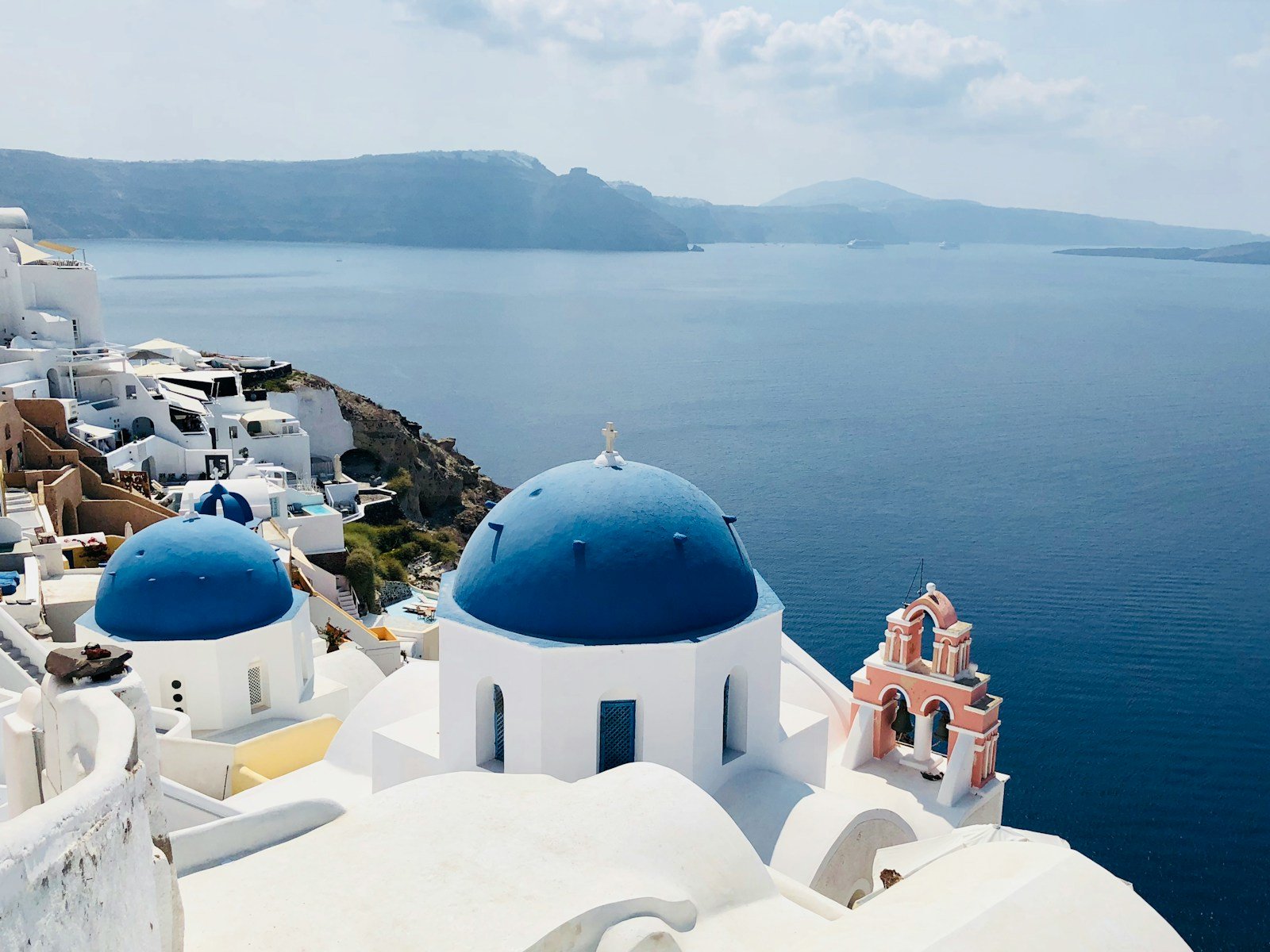
Why it works: Santorini's towns, including Fira, Imerovigli, and Oia, sit along the rim of a flooded volcanic caldera. Many hotels are built into the cliffs, facing west over the water toward the sunset.
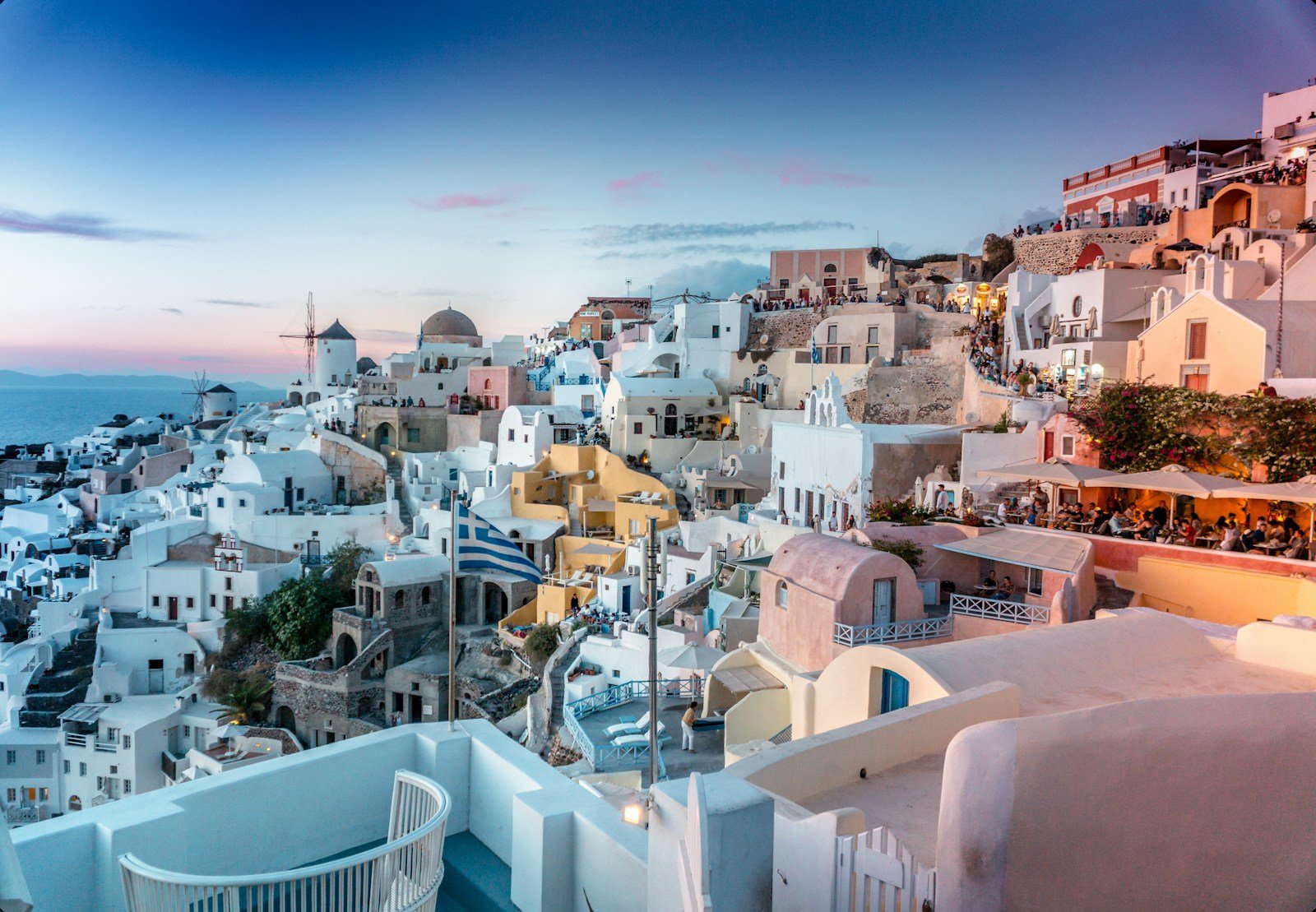
Main trade-offs: Caldera-side hotels often involve many steps. The beaches are dark volcanic sand or pebbles rather than long soft-sand stretches. Oia gets very crowded at sunset.
Where to stay: Fira is the practical starting point if you want the island's main bus connections alongside restaurants and caldera views. Compare Imerovigli and Oia for the setting, but check the walk to your actual bus stop and room. Kamari and Perissa put you nearer the beaches at lower elevation; staying there means traveling to the caldera towns.
Good to know: Santorini is a volcanic island and seismically active. Follow local authority notices during your stay.
Choose it if: Views, sunsets, and a special-occasion hotel matter most.
Skip it if: Long sandy beaches are your main reason for choosing an island. For a quieter sunset, assess the particular hotel or viewpoint rather than assuming every part of Santorini has Oia's crowds.
Choose Mykonos when you want beach clubs and nightlife
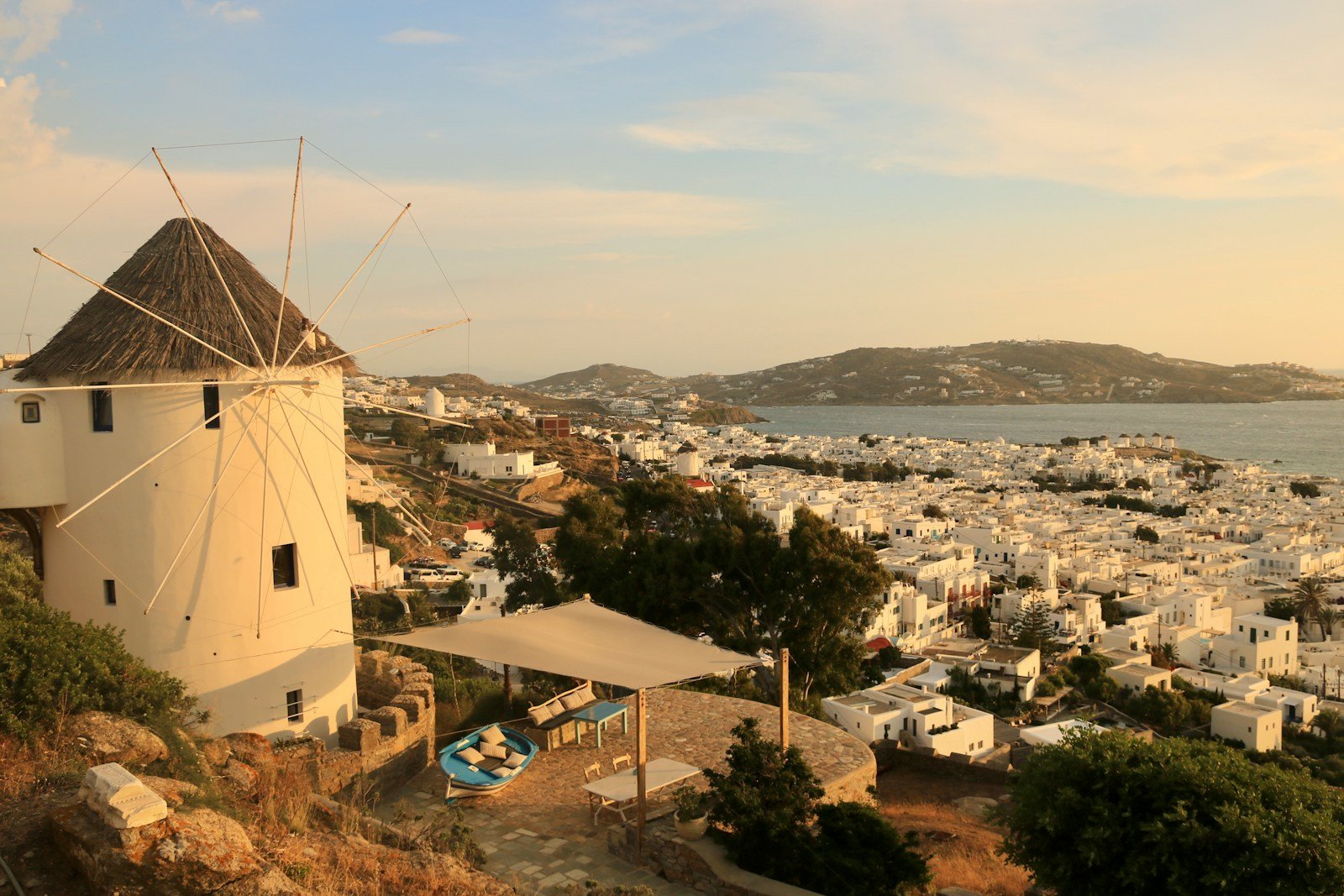
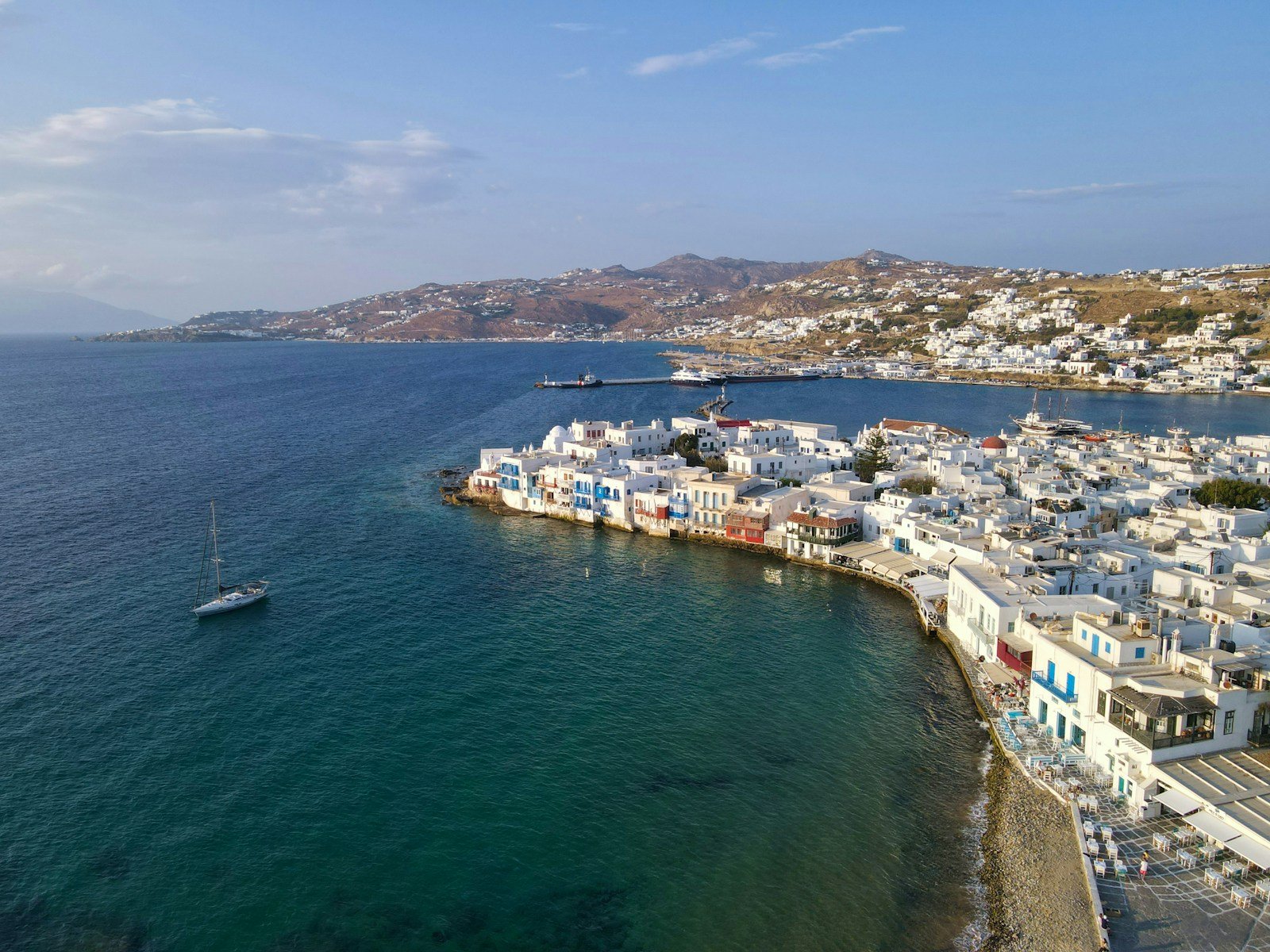
Why it works: Mykonos Town (Chora) has a lively harbor, the Little Venice waterfront, and the windmills, with beach clubs along the south coast. A boat trip to Delos, a UNESCO World Heritage site, offers a history-focused alternative. Check both boat departures and site opening dates before making it the reason for your stay.
Main trade-offs: Peak-season evenings are busy and loud, and beach clubs can add up.
Where to stay: Mykonos Town for walking to restaurants and nightlife; south-coast beach areas for beach days with transport to town.
Choose it if: Nightlife, beach clubs, and a social atmosphere are part of the plan.
Skip it if: You want quiet evenings or a slower pace.
Choose Naxos when you want beaches and space
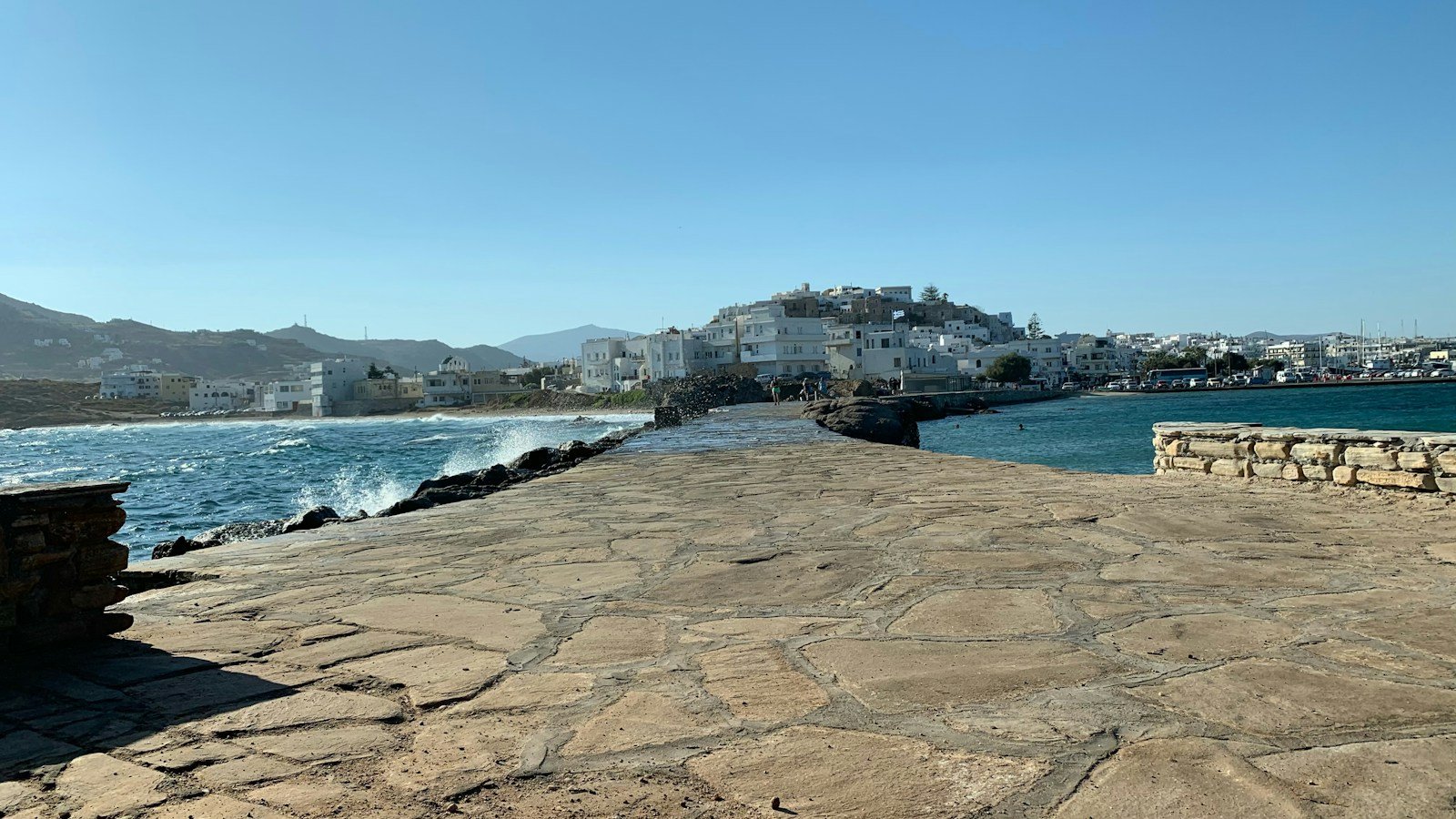
Why it works: Naxos is the largest island in the Cyclades, with long sandy beaches on its west coast, mountain villages inland, and a main town below a hilltop old quarter. The marble Portara gateway stands by the harbor.
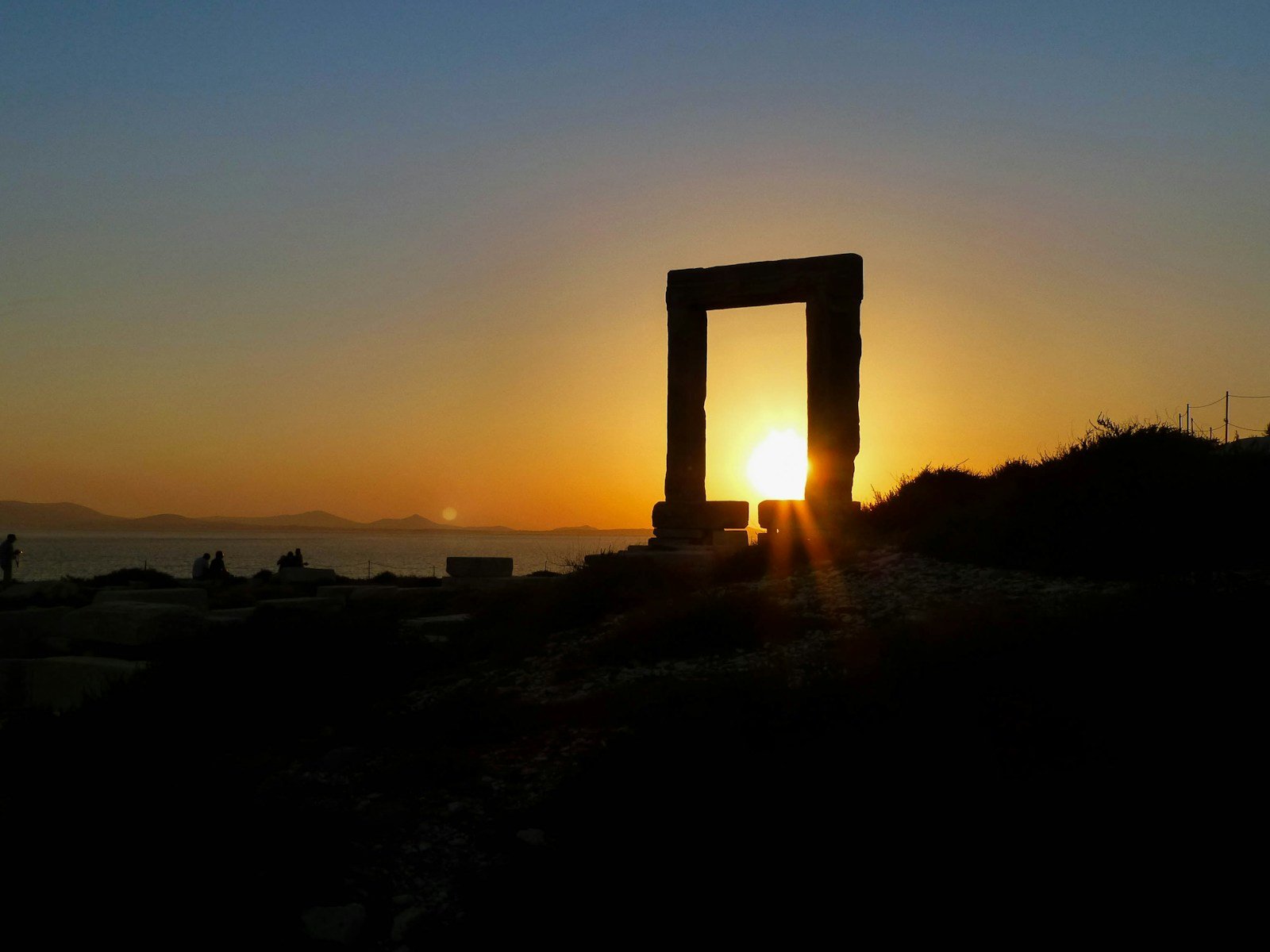
Main trade-offs: Naxos is larger and more spread out. A town-and-beach stay can be planned around walking and buses, while village visits need more preparation. The local bus network changes destinations and frequency by season: check the return service as well as the outward journey before deciding you need a rental car.
Where to stay: Naxos Town (Chora) for restaurants and the ferry port; beach areas just south of town for beach days.
Choose it if: Beaches, food, villages, and a slower pace matter most.
Skip it if: You want caldera views or a big nightlife scene.
Getting there and between the islands
- By air: All three islands have airports. Santorini and Mykonos handle domestic and international services, with routes varying by season; Naxos has domestic service from Athens. Check actual flight dates and compare the full airport-to-hotel journey when choosing between flying and sailing.
- Mykonos winter flight notice: Fraport has announced Thursday runway closures from November 19, 2026 through March 18, 2027, with specified holiday exceptions. Flights are suspended on the affected days; check the notice and your airline before arranging a winter stay.
- By ferry from Athens: Compare Piraeus and Rafina sailings for your island and date; the ports are not interchangeable. Metro Line 3 takes about 61 minutes from Athens Airport to Piraeus station. Add time for the train wait, reaching the correct ferry gate and the operator's boarding deadline. Compare the sailing duration and vessel for the specific departure.
- Between islands: Look for direct sailings between your chosen pair. Seasonal routes, intermediate stops, and vessel types change journey times; being close on the map is not enough.
- Weather and connections: Summer meltemi winds can disrupt ferries, and bad-weather delays or cancellations also happen outside July and August. For an international flight departing Athens, plan to be back on the mainland at least the previous day; that buffer reduces the risk but cannot guarantee a connection.
Check date-specific sailings with operators such as Seajets and Blue Star Ferries before fixing hotel dates. Seajets already labels its route page for 2027, but a route listing is not confirmation of a departure on your chosen day. Check both arrival and return journeys, port transfers, and cancellation terms; do not build a 2027 itinerary from a 2026 timetable.
Stay connected: Our international eSIM guide explains what to check for mobile data.
Compare the whole stay, not just the nightly rate
Before you choose, add up:
- Your room for your exact dates.
- Greece's climate resilience fee is charged per room or rental unit for each night, not per guest. Current hotel rates for April–October are €2, €5, €10 and €15 for 1–2, 3, 4 and 5 stars respectively; November–March rates are €0.50, €1.50, €3 and €4. Standard short-term rentals are €8/€2 by those seasons; qualifying detached homes over 80 m² are €15/€4. Other categories have their own rates. Ask the property for its category and the amount payable separately; see the AADE rate guidance (Greek, page 150).
- Getting around: buses, taxis, a rental car if needed, and boat trips.
- Beach costs: sunbeds at organized beaches, especially on Mykonos.
Cruising instead? A separate cruise fee applies to passengers going ashore at Greek ports, with the amount depending on the port and season. Check the amount and collection method with your cruise line. This cruise-specific fee does not apply to an ordinary ferry or plane arrival.
Our travel budget guide helps you set up the full number.
Compare island stays
Match the room to the trip you want
Compare Santorini for the caldera setting, Mykonos for town or beach access, and Naxos for a town-and-beach base. Use the same dates, guest count and cancellation preferences when comparing the full stay.
Check the exact area, room view, steps and transport to your hotel. Confirm any climate resilience fee payable separately, and check your arrival and return journeys before booking.
Affiliate links: BoardingNotes may earn a commission if you book through these links.
One island or two?
Four or five nights: pick one island. You'll spend more time on beaches and less on ferries.
A week on the islands: consider two. Keep any Athens nights and your pre-flight buffer outside that island allocation. If those use up part of a seven-night holiday, one island may give you a better trip.
- Naxos + Santorini: Beaches and space, then views and sunsets.
- Naxos + Mykonos: Beaches and villages, then nightlife.
- Mykonos + Santorini: The two best-known islands; check whether a direct sailing fits your dates.
As a planning rule, aim for at least three nights on each island. That gives you two full days between arrival and departure. Treat the transfer as a travel day, and choose a sailing that leaves time for port transport and check-in.
Your booking checklist
- Pick the island that matches most of your days.
- Check the ferry or flight schedule for your dates before booking hotels.
- Ask about steps to your room, especially on Santorini.
- Check whether your quote includes the climate resilience fee.
- If your flight home leaves Athens, return to the mainland at least the previous day; allow for disruptions in any season.
- Confirm cancellation terms. Our hotel selection guide covers what to compare.
- Use our international travel checklist for documents.
Planning sources
Planning sources checked November 15, 2026: AADE accommodation-fee explanation and current rate guidance (Greek, page 150) · Seajets route planning · Athens airport metro · Mykonos runway works · cruise-fee law (Greek, Article 27) · official Greek tourism guidance. Rates reflect the rules available at this check; reconfirm charges and transport arrangements for a 2027 booking.
Frequently asked questions
Which Greek island is best for a first trip?
It depends on the trip you want. Santorini suits views and sunsets, Mykonos suits beach clubs and nightlife, and Naxos suits sandy beaches, villages, and a slower pace.
Is Naxos better than Santorini?
They're different. Naxos has long sandy beaches and more space; Santorini has caldera views and cliffside hotels. Many travelers visit both.
Can I visit Santorini and Mykonos on the same trip?
Yes. Check whether a direct sailing fits your dates, or choose a two-island combination with a direct service. An extra island is not automatically a simpler connection.
How many days do I need on a Greek island?
For this comparison, three nights per island is a useful minimum: arrival day, two full days, then departure. With only four or five nights available, choose one. Reserve separate time for Athens and any buffer before your flight home.
What is Greece's climate resilience fee?
A charge per room or rental unit for each night, rather than per guest. The amount depends on accommodation category and season; April–October hotel rates currently range from €2 to €15. Ask the property which category applies and what is payable separately.
Do I pay the cruise fee if I arrive by ferry?
No. The cruise-specific fee concerns cruise passengers going ashore at Greek ports. An ordinary ferry arrival is outside that charge.
When is the best time to visit the Greek islands?
Late spring and early fall are useful starting points for sightseeing, but choose dates around the experience you want. For Mykonos nightlife, confirm the opening dates of the clubs you care about; for a beach trip, check likely weather rather than assuming shoulder season guarantees swimming conditions. July and August can be busy and windy. Outside summer, confirm bus routes, flights, ferries and hotel facilities before committing.
Before you go
Choose Santorini for views, Mykonos for nightlife, or Naxos for beaches and space. Pair two when you have a week available on the islands, allowing separate time for transfers and your route home. Then confirm the transport dates and full accommodation cost before booking.