
Planning a first solo trip comes down to a sequence of decisions: choose a manageable destination, set a realistic length and budget, book a practical base, build backups for money and communication, and make a simple first-day plan. You do not have to feel fearless before starting.
This guide shows you how to plan a solo trip from the first idea through arrival and the journey home. It works for domestic and international leisure trips; adapt the steps to your experience, access needs, and circumstances.
Your First Solo Trip Checklist at a Glance
- Decide what you want from the trip and how much structure helps you.
- Compare domestic and international options by logistics, not distance alone.
- Choose a realistic duration and travel style.
- Test your destination with the Fit Matrix below.
- Check advisories, documents, local laws, and health needs before committing money.
- Budget for the whole trip, including an accessible reserve.
- Book your base and check the arrival route and backup.
- Plan daily anchor activities with room to rest.
- Prepare communication, payment, document, and emergency backups.
- Keep your first 24 hours simple and your return journey workable.
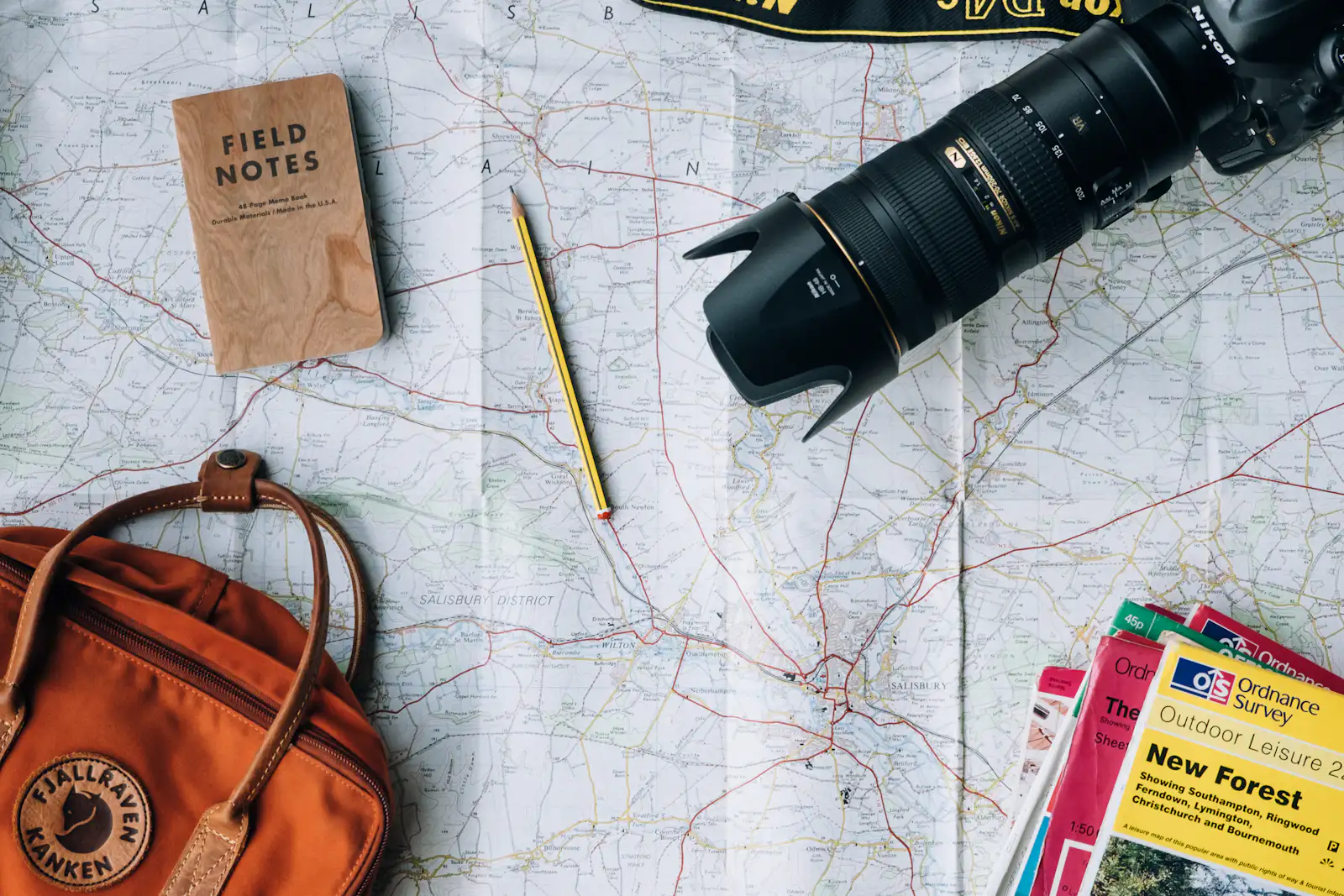
Cover photo: Annie Spratt / Unsplash.
Jump to
- How to Choose a Destination: The First Solo Trip Fit Matrix
- How to Check Official Advisories, Entry Rules, and Health Guidance
- Building Your Budget, Backup Money, and Booking Flexibility
- Choosing Accommodation and Planning Your Arrival Route
- Your Communication, Document, and Emergency Backup System
- Your First 24 Hours: A Simple Arrival Plan
- The Final Staged Checklist
- Frequently Asked Questions
How to Know You’re Ready for a Solo Trip
There is no confidence threshold you need to reach. Start with three questions: Can you explain how you will reach your accommodation? Can you contact help if needed? Can you cover an unexpected cost? These are starting checks, not proof that every trip is suitable.
If making every decision feels unfamiliar, try a day outing or an overnight stay close to home. You can also choose a staffed hotel or one organized activity. Using support does not make the trip any less your own.
Domestic or International for Your First Solo Trip?
A domestic trip may simplify currency, phone service, and border paperwork, but do not assume the language, transport, healthcare, or local conditions will feel familiar everywhere. A nearby destination can still involve difficult connections or limited services.
An international trip can work when you want to visit a particular place and can manage the extra preparation. Compare the actual journeys: a direct international train with clear arrival arrangements may feel more manageable than a remote domestic trip.
Choose the option whose important details you can verify. Neither choice is the “real” solo trip, and crossing a border is not a reliable measure of difficulty or safety.
How Long Should Your First Solo Trip Be?
A long weekend to about a week is a useful editorial starting range, not a rule. Count usable days after travel time, jet lag, and recovery. Choose a length you can afford even if you need to change plans.
Matching Trip Length to Travel Style
Scroll horizontally to compare every column.
| Travel style | Starting point | Planning trade-off |
|---|---|---|
| City break | 3–5 days, one base | Enough time for a few priorities without repeated check-ins |
| Slow stay | 5–7 days, one base | More time to settle in; budget for quiet, unstructured days |
| Accessible nature break | A short stay near services | Check weather, transport, and activity support; remote solo adventures need separate preparation |
| Multi-stop trip | Keep transfers few and straightforward | It can work, but every move adds luggage, navigation, and arrival decisions |
How to Choose a Destination: The First Solo Trip Fit Matrix
Test one or two destinations against practical factors, rather than relying on popularity or a “safest places” list. Green Light means a workable plan; Pause means an unanswered question; Reconsider means a serious unresolved problem.
This is a planning tool, not a safety rating. Do not count green boxes and average away an important red flag. Resolve each essential issue before booking.
The First Solo Trip Fit Matrix
| Factor | Question to answer | Reconsider if unresolved |
|---|---|---|
| Transport | Can I reach my base and get home? | No workable route or return option |
| Language | How will I ask for help? | Essential help cannot be accessed |
| Official advice | What does the advice say about my exact route? | Advice against this journey or an unresolved serious risk |
| Health | Can I manage my health needs here? | Essential care or requirements cannot be met |
| Accommodation | Who can help if check-in fails? | No verified place to stay |
| Connectivity | What happens if my phone fails? | No workable way to contact help |
| Budget | What could I pay for immediately? | Essential transport or lodging unaffordable |
| Arrival time | Does the plan survive a delayed arrival? | Late arrival with no confirmed alternative |
| Identity & access | Does this plan work for me personally? | Unresolved legal, discrimination, or access concern |
| Personal comfort | What change would make this manageable? | A specific concern remains unresolved |
Use this as a first check. Open the full matrix for the green-light and pause-to-research criteria before deciding.
Full destination fit matrix: green lights, research and reconsideration
Scroll horizontally to compare every column.
| Factor | Green Light | Pause & Research | Reconsider | Question to answer |
|---|---|---|---|---|
| Transport | Verified routes and a usable backup | Connections or operating hours unclear | No workable route or return option | Can I reach my base and get home? |
| Language | A shared language or practical translation support | Key instructions still unclear | Essential help cannot be accessed | How will I ask for help? |
| Official advice | Current national and regional guidance reviewed | A warning needs closer investigation | Advice against this journey or an unresolved serious risk | What does the advice say about my exact route? |
| Health | Relevant care, medicines, and preparation arranged | Appointments or care access unresolved | Essential care or requirements cannot be met | Can I manage my health needs here? |
| Accommodation | Location, access, and check-in confirmed | Reviews or support arrangements unclear | No verified place to stay | Who can help if check-in fails? |
| Connectivity | Working contact method plus an offline backup | Coverage or device compatibility uncertain | No workable way to contact help | What happens if my phone fails? |
| Budget | Full costs and a usable reserve covered | Unexpected costs would stretch the plan | Essential transport or lodging unaffordable | What could I pay for immediately? |
| Arrival time | Transport and entry work at the expected hour | Delay would complicate the journey | Late arrival with no confirmed alternative | Does the plan survive a delayed arrival? |
| Identity & access | Relevant laws and access needs checked | Specific protections or facilities unclear | Unresolved legal, discrimination, or access concern | Does this plan work for me personally? |
| Personal comfort | Informed choice with adequate support | General nerves or one answerable concern | A specific concern remains unresolved | What change would make this manageable? |
How to Check Official Advisories, Entry Rules, and Health Guidance
Understand the Advice Behind the Number
The U.S. Travel Advisory system uses four levels: 1 — Exercise Normal Precautions; 2 — Exercise Increased Caution; 3 — Reconsider Travel; 4 — Do Not Travel. Read the reasons and regional restrictions, not just the national headline. Level 1 does not mean risk-free; Level 2 is not automatically unsuitable for a first trip.
Advisories can change when conditions change. Check before booking, near departure, and during the trip when circumstances shift. For a first leisure trip, advice against travel to your intended area is a reason to choose a different plan, not something to offset with a better hotel.
Start with your own government’s advice. Canada maintains a separate advisory system; Australian readers can use Smartraveller. Other governments’ information can add context, but consular help and nationality-specific guidance differ.
U.S. citizens and nationals can use the free Smart Traveler Enrollment Program (STEP) for destination email alerts and to help a U.S. embassy contact them in an emergency. It is not insurance or a guaranteed rescue service. Other readers should check their own government’s alert or registration options where available.
Check Documents and Personal Needs Before Booking
Use destination immigration or embassy information to confirm entry and transit requirements for your passport and circumstances. Check passport validity, visa or travel authorization needs, and processing time before nonrefundable bookings. There is no single passport-validity rule for every country. The State Department’s international checklist is a useful U.S. starting point.
Age, gender, sexuality, race, disability, and nationality can change a traveler’s needs and experience. Check applicable local laws and specific guidance, including LGBTQIA+ travel advice. For accessibility needs, confirm the actual facilities and assistance with providers; a general “accessible” label may not answer your questions.
Prepare for Health Needs Early
CDC recommends a pre-travel health appointment at least four to six weeks before departure. Discuss your destination, planned activities, medicines, and health needs. Some arrangements need longer: the State Department’s accessibility guidance advises six to eight weeks, so contact your clinician early.
Leaving sooner? CDC’s last-minute guidance still recommends seeking advice. Confirm medicine legality and availability, and where you could obtain care. Needing regular medication or an adjustment does not itself make solo travel unsuitable; the question is whether the support you need is arranged.
Building Your Budget, Backup Money, and Booking Flexibility
Build three layers: fixed costs, realistic daily spending, and a reserve you do not plan to spend. Include transport to and from your base, food, activities, taxes or fees, and costs you will cover alone rather than split.
Size the reserve around a plausible disruption: another night’s lodging, a replacement transfer, or a changed journey home. A reserve locked in an account you cannot access abroad is not a useful backup.
Carry independent payment options where feasible, such as two cards kept separately and modest local cash. Check destination acceptance and your bank’s contact method. A second card inside the same lost wallet solves little.
Compare flexible rates by the actual price difference, deadline, and refund conditions. For accommodation, review these hotel booking mistakes before confirming the room and rate. Check insurance coverage for your destination, activities, medical needs, and evacuation. Ask the insurer how advisories affect the policy; neither a new warning nor a change of mind guarantees reimbursement.
Advertisement
World Nomads
World Nomads offers simple and flexible travel insurance. Buy at home or while traveling and claim online from anywhere in the world.
We receive a fee when you get a quote from World Nomads using this link. We do not represent World Nomads. This is not a recommendation to buy travel insurance.
Choosing Accommodation and Planning Your Arrival Route
Prioritize a practical location, clear check-in instructions, recent reviews, and a verifiable contact. “Central” is useful only if it fits your activities and transport. Check the last part of the journey as carefully as the airport connection. Use the hotel selection checklist to compare these details before booking.
Official lodging guidance recommends researching facilities and having backup accommodation options. Ask about arrival-hour support, secure room access, and any essential accessibility features. A staffed reception may help on a first trip, but a well-managed self-check-in property can also work when you understand the procedure and support arrangements.

Solo-trip stays
Choose a base for your arrival plan
Enter your destination, dates and one adult if you are traveling alone. Check the exact address, arrival support, room access and cancellation terms directly; a listing is not a safety guarantee.
Affiliate disclosure: We may earn a commission if you book through the link below, at no extra cost to you.
Compare stays for your solo tripTest the arrival route using the airport, station, or transport operator’s current information: operating hours, fare/payment method, changes, luggage practicality, and the final walk. Map estimates alone do not confirm the last service or step-free access.
Daylight arrival can simplify orientation. For a night arrival, confirm an appropriate option in advance: operating public transport, an official taxi rank, or a reputable booked transfer. A private transfer is not universally necessary. Keep a second route and enough money for it, and confirm what happens if check-in is delayed.
Building a Flexible Daily Itinerary
Build each day around one anchor activity and leave nearby options flexible. Keep activities within a manageable geographic area instead of crossing the destination repeatedly.
A sample city day might be: morning museum → nearby lunch → open neighborhood time → rest at your base → optional evening plan. This is a planning example, not a timed route.
Reserve activities that genuinely require booking, then leave a buffer for queues, weather, fatigue, or an unexpectedly good stop. Also check your departure-day journey: the return station, early transport, and checkout arrangements deserve the same attention as arrival.
Your Communication, Document, and Emergency Backup System
Share your itinerary and accommodation contacts privately with someone you trust. Agree on check-in times with the time zone included, an expected gap for flights, and what to do if you miss a message. For example: try calling, try your agreed alternate contact, then follow your escalation plan if concern remains. An immediate emergency should not wait for a routine check-in deadline.
Use a backup system that still works when one thing fails:
- Phone/data: Save the address, route, and booking details offline. Confirm whether your plan supports the calls, texts, and data you need; do not assume a data-only product replaces every phone function. If you are considering a travel eSIM, work through the device, package, and setup checks before paying.
- Lost device: Keep essential numbers on paper and know how to contact your accommodation, bank, and trusted person from another device. Consider account recovery that does not depend entirely on the missing phone.
- Documents: Keep copies separate from originals, with protected digital access where practical. Copies help with replacement; they do not replace required travel documents.
- Money: Separate your backup payment method and retain access to emergency funds.
- Transport/lodging: Save a verified alternative and a contact for delayed arrival.
If a travel eSIM fits your phone and trip, Airalo is one option to compare. Check every destination, the package’s validity and activation rules, and whether it includes the calls or texts you need. Keep your offline contact plan even when you have mobile data.
Affiliate disclosure: BoardingNotes may earn a commission if you purchase through the link below.
Compare Airalo eSIM plans for your solo trip
The State Department’s communication guidance recommends confirming phone service and keeping emergency contacts available offline. Record the destination’s actual emergency numbers, a care option, your insurer’s assistance line, and relevant consular contacts. Do not assume your home emergency number works everywhere or that an embassy replaces local emergency services.
Live location sharing is optional. If you use it, agree who can see it, for how long, and when to turn it off. Consider privacy, connectivity, and battery use. Avoid public real-time lodging details; a check-in agreement is often simpler than continuous tracking. If you want less screen time on your solo trip, use our digital detox getaway guide to set boundaries while keeping essential communication and agreed check-ins available.

Eating Alone, Social Contact, and Low-Energy Moments
If eating alone feels unfamiliar, choose an easy first meal, bring a book, or try counter seating. A quiet table, casual café, takeaway, or room meal can all fit. You do not have to turn every dinner into a confidence exercise.
For optional company, consider one well-reviewed class or small-group activity. Check the operator, meeting point, end time, and your independent route home. Meet new people in public, keep control of your transport, and make choices about alcohol that preserve your ability to get help. These are precautions, not a judgment on anyone who experiences harm.
Smartraveller’s solo-travel guidance also covers licensed transport, accommodation privacy, check-ins, and social situations. Consider overnight transport carefully, including security and fatigue; do not make hitchhiking your backup arrival plan.
A lonely or low-energy afternoon does not decide the value of the whole trip. Try food, rest, a call home, or a smaller plan. Shortening the trip is also an option. You do not need to continue an uncomfortable situation to prove anything.
The Green Light / Pause / Reconsider Framework
- Green Light: Essential arrangements are workable, official checks are complete, and you have realistic backups. Proceed with the plan while staying attentive to changes.
- Pause: A specific gap needs research or a simpler option. Name the gap and resolve it before making the affected booking.
- Reconsider: A serious risk, entry requirement, health need, unaffordable cost, or unworkable arrival remains unresolved. Change the trip or postpone it.
Use this before booking and again before departure. It measures planning readiness, not guaranteed safety; ordinary nerves alone are not a red flag.
Your First 24 Hours: A Simple Arrival Plan
Keep the first day deliberately light. Write down this sequence before leaving:
- Arrive and connect: Retrieve your offline address and confirm the transport option is operating. If the plan has failed, use your verified backup or an official assistance point.
- Reach your base: Check in, charge your phone, and confirm the room’s locks and emergency exit route. Report a problem and use your alternative if it cannot be resolved.
- Eat and recover: Choose a nearby, low-effort meal. Allow time for water, a shower, or rest before deciding what comes next.
- Orient when conditions suit: Take a short nearby walk in daylight or use the map from your accommodation. A late arrival does not require a night walk.
- Check in with home: Send the agreed message, confirm tomorrow’s anchor activity, and leave the rest flexible.
Common First Solo Trip Planning Mistakes
- Booking before checking documents, entry rules, or essential health arrangements.
- Choosing the cheapest arrival without pricing the last leg and backup.
- Keeping every payment method and document in one bag.
- Filling every hour, or treating rest as a planning failure.
- Assuming Wi-Fi, an app, or a location dot will always be available.
- Reading only an advisory headline or checking it just once.
- Planning arrival carefully but forgetting the journey home.
The Final Staged Checklist
Before You Book
- Check destination fit, current advisories, entry/transit rules, and passport validity.
- Identify health, legal, identity, and access needs early.
- Set the length, total budget, reserve, and return plan.
- Review cancellation terms and insurance needs before committing money.
After You Book
- Complete required documents and health preparations in time.
- Confirm accommodation access, arrival transport, and backups.
- Arrange connectivity and separate payment options.
- Save confirmations and share your itinerary with your trusted contact.
72 Hours Before Departure
- Recheck advisories, weather, transport disruption, and entry updates.
- Reconfirm check-in, arrival details, and the first meal option.
- Test offline information and your communication plan.
- Check documents, medicines, packing, and access to backup money.
Arrival Day
- Follow the verified transport plan or its backup.
- Check your room and exit route, charge your phone, and eat.
- Send the agreed message; orient when timing and conditions suit.
During the Trip
- Keep agreed check-ins and report meaningful itinerary changes.
- Leave room for rest and review guidance when conditions change.
- Resolve new critical gaps before continuing the affected plan.
- Reconfirm departure transport and send a return-home check-in.
Frequently Asked Questions
Is It Normal to Feel Nervous Before a First Solo Trip?
Yes, you can feel nervous and still be prepared. Separate a general unfamiliar feeling from a specific unresolved problem, then use the checklist to address the problem.
Should a First Solo Trip Be Domestic or International?
Either can work. Compare transport, entry rules, language support, cost, and your practical needs; distance alone does not tell you how manageable the trip will be.
How Long Should a First Solo Trip Be?
A long weekend to about a week is a useful starting option. Adjust for travel time, budget, energy, and experience; it is not an official recommended duration.
Is Solo Travel Safe?
There is no universal answer. Evaluate the destination, route, current official advice, and your circumstances. Preparation can reduce avoidable problems but cannot remove every risk.
How Much Should You Plan in Advance?
Settle essential bookings, arrival and return transport, and backups. Keep optional activities flexible instead of reserving every hour.
How Do You Choose Accommodation When Traveling Alone?
Check the actual location, recent reviews, room access, arrival procedure, and available support. Confirm any essential facility directly before booking.
What If You Feel Lonely or Uncomfortable Eating Alone?
Choose an easy meal, call someone you trust, rest, or try an optional group activity. You can change your plans without treating the trip as a failure.
Should You Share Your Live Location?
It is optional. Agree on privacy and duration with a trusted person; keep an offline contact plan because tracking depends on a working device and connection.
Can a Solo Trip Include a Group Tour or Class?
Yes. One activity can add structure or company while you remain responsible for the rest of your trip. Check its ending arrangements and your way back.
What Should Make You Postpone or Change the Trip?
An unresolved serious advisory, document, health, access, budget, or arrival problem. Resolve it, simplify the route, or choose another destination before committing further.
Your Next Planning Step
Run your leading destination through the Fit Matrix, identify the most important unanswered question, and resolve that first. Then book a practical base and write your first-day plan. The goal is a trip you can manage, with room to enjoy it.
Official guidance checked September 30, 2026. Recheck destination-specific requirements and advisories before booking and departure.