

For a first food trip to Bologna, start with a short list: tagliatelle al ragù, tortellini in brodo, mortadella, and a slice of torta di riso. Add a market visit and leave room between meals to explore the city. You can build a satisfying day around those choices without turning every stop into another tasting.
This Bologna food guide explains the dishes, separates three frequently confused market destinations, and suggests a flexible day in the historic center. If food is the main reason for your visit, our recommendation is to allow two days so you can spread out the pasta meals.
Your first visit in brief
- Choose one main pasta dish per meal. Save another specialty for dinner or tomorrow.
- Start with the Quadrilatero for a central food-shopping stroll; use Mercato di Mezzo for a food-hall stop and Mercato delle Erbe for another market experience.
- Check the actual stall or restaurant. A market building’s opening hours do not tell you when every counter serves food.
- Reserve the meal you care about most. Keep the rest of the day flexible. If you want a guided meal experience, compare a food tour with a pasta class.
- Use the walk between meals for culture. Piazza Maggiore, the porticoes, and Santo Stefano fit the focus of this visit.
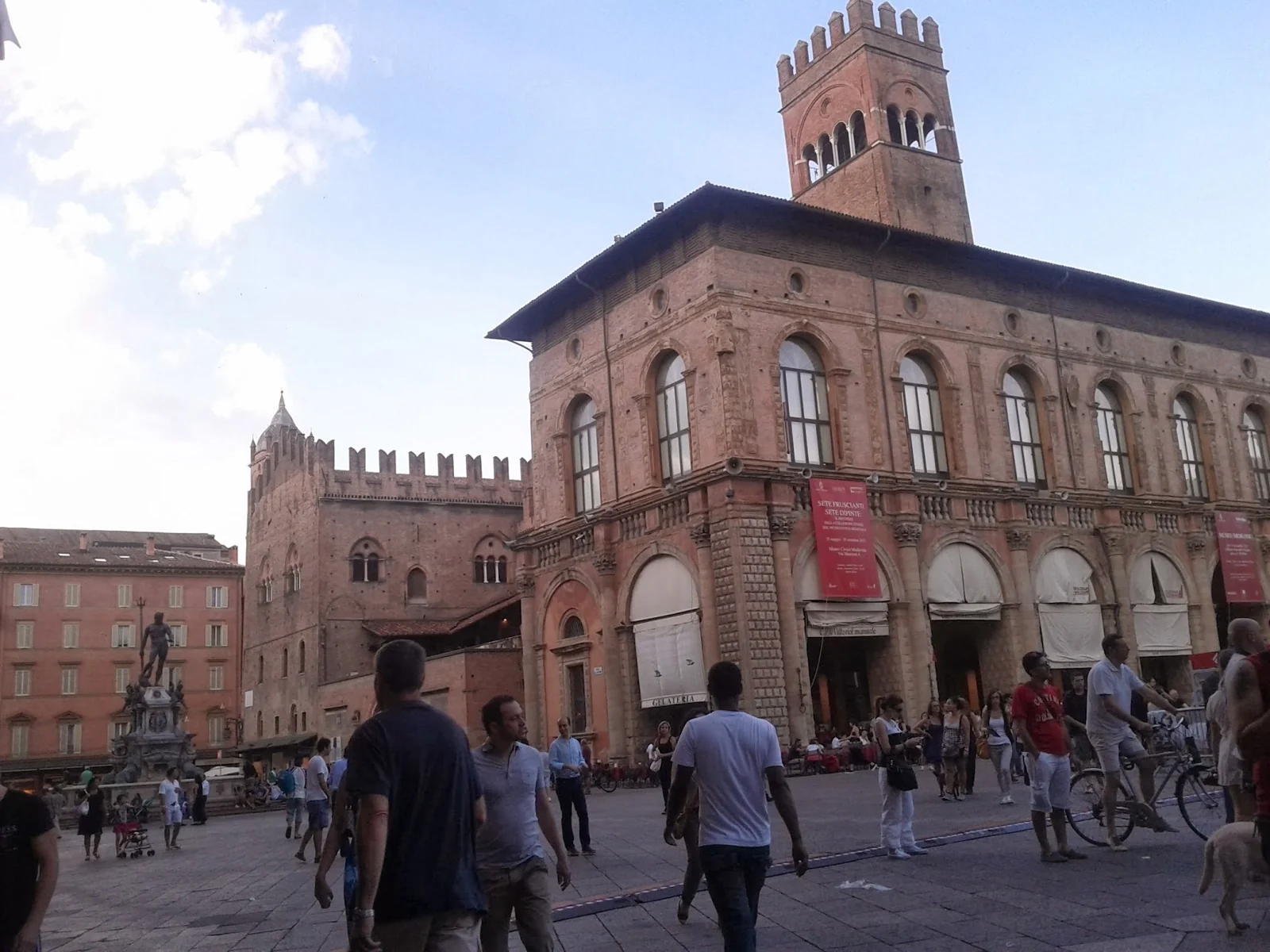
Cover photo: Gilles Guillamot / Wikimedia Commons, CC BY-SA 3.0 (2013). Resized and converted to WebP; photo remains under the same license.
What to eat in Bologna: seven starting points
1. Tagliatelle al ragù
Make this your first pasta order if you want Bologna’s familiar meat sauce with its local pasta pairing. Tagliatelle are ribbons of egg pasta; the ragù is slowly cooked and meat-based. The reference recipe updated at Bologna’s Chamber of Commerce in 2023 uses beef and pork pancetta, with vegetables, wine, and tomato; milk is optional. It also recognizes variations. Source 1 Source 2
You do not need to memorize a recipe to order well. Look for tagliatelle al ragù on the menu and let this be the focus of a meal. If you are traveling with someone, choose a different pasta each and ask whether sharing is convenient.

2. Tortellini in brodo
These small filled pasta parcels arrive in broth. The traditional filling combines pork loin, prosciutto, mortadella, Parmigiano cheese, egg, and nutmeg. Bologna Welcome’s reference recipe pairs them with a broth made using capon and beef. That explains why a deceptively simple bowl can contain several kinds of meat. Source
Choose this for the meal when you want to concentrate on filled pasta. Broth is the classic starting point, but read the particular menu rather than assuming every tortellini dish comes that way.
3. Tortelloni
The extra “o” matters. Tortelloni are larger than tortellini and, in the local tradition described by the metropolitan area’s tourism authority, have a ricotta-based filling with ingredients such as grated cheese, egg, and herbs or greens. Source
They are a useful direction to explore if you prefer a cheese-filled pasta. Check the sauce as carefully as the filling, and explain any dietary requirements before ordering. A familiar pasta name does not specify the whole plate.
4. Lasagne verdi alla bolognese
Here, the green comes from spinach in the egg pasta. The Bolognese preparation layers that pasta with ragù, béchamel, and Parmigiano Reggiano. It is a baked pasta dish with both meat and dairy, despite its green color. Source
Put lasagne on the list for a second meal or second day. Ordering it alongside a full portion of tagliatelle is possible, but spreading them out gives you more appetite for both.
5. Mortadella
Mortadella Bologna is a cooked pork product: finely ground meat is combined with visible cubes of fat before cooking. Try it thinly sliced, or choose a mortadella sandwich for a straightforward lunch. The protection consortium explains its production; Bologna Welcome includes the panino con mortadella among the city’s casual food choices. Source 1 Source 2
A sandwich can take the place of a restaurant lunch on a day with a substantial dinner. If you are buying sliced meat from a deli, say whether you want a sandwich, a small portion to eat soon, or something packaged to take away.
6. Crescentine
In Bologna, crescentine fritte are pieces of fried dough served with accompaniments such as cured meats, soft cheese, and pickles. They work well as a shared order. The tourism board’s recipe allows frying in lard or peanut oil, so ingredients and preparation deserve a question if either matters to you. Source
You may also see tigelle, the small round breads associated with nearby Modena. They are a separate choice, not another name for the fried dough described here. Source Ask what accompanies an order before adding a second meat-and-cheese board.
7. Torta di riso
For a dessert with a local connection, look for this rice cake. Bologna Welcome links it to the city’s Addobbi religious celebrations; its recipe includes rice, milk, eggs, almonds, candied citron, and almond liqueur. Some versions also use amaretti. Source
Keep it in mind for a separate afternoon stop if dessert after lunch feels like too much. Ask what is available that day rather than building the schedule around finding it at a particular bakery.
Quadrilatero, Mercato di Mezzo, or Mercato delle Erbe?
These names describe different experiences. Choose according to what you want to do, and avoid spending your limited appetite on three similar stops.
| Place | What it is | How to use it on a first visit |
|---|---|---|
| Quadrilatero | A historic commercial district beside Piazza Maggiore, with small streets and shops. | Browse the food-shopping area and compare counters before choosing a snack. |
| Mercato di Mezzo | A covered food destination on Via Clavature, within the central market area. | Make it an optional casual eating stop during your Quadrilatero walk. |
| Mercato delle Erbe | A covered market on Via Ugo Bassi combining food shopping and places to eat. | Give it a separate morning on a two-day visit, or choose it instead of the first market stop. |
The place descriptions come from Bologna Welcome; the suggested uses are our planning recommendations. Source 1 Source 2 Source 3
Quadrilatero: a district, not one indoor market
Start from Piazza Maggiore and explore the lanes around Via Drapperie. The district’s trading history reaches back to the Middle Ages, and its shops retain a mix of historic and more recent settings. Source Leave time to look before buying. One sandwich or small deli purchase may be enough if you have booked a pasta lunch.
Mercato di Mezzo: an eating stop inside the central area
At Via Clavature 12, Mercato di Mezzo offers places to buy and eat food. Its present food-focused use followed redevelopment in 2014. Source Treat it as a possible stop on the same outing as the Quadrilatero. Check the counters and seating arrangements before ordering, especially when different people want different things.
Mercato delle Erbe: separate shopping from dining
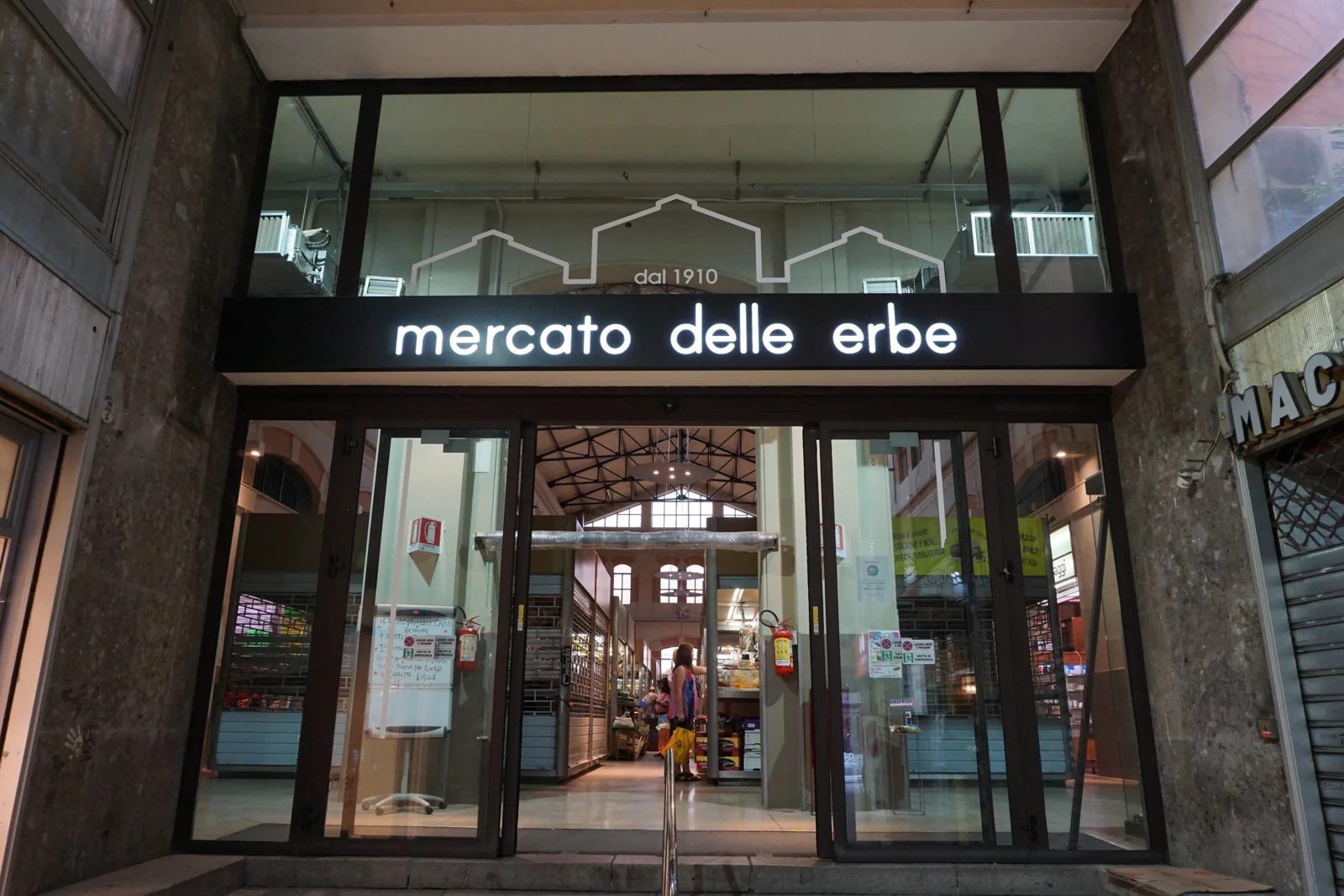
This market combines grocery stalls and shops with dining businesses. Its own website lists separate schedules for shopping and restaurant service, including Sunday dining hours. Source For a produce-and-deli visit, plan around the stalls you want; for dinner, check the particular restaurant. An evening booking does not guarantee an active fresh-food market around you.
The market publishes shopping hours of Monday–Saturday, 7 a.m.–7:30 p.m.; its Sunday hours refer to dining. A morning visit is our suggested starting point for produce and deli shopping. Confirm the particular stalls you want, especially around holidays, rather than treating Sunday restaurant service as a full market day.
Arriving in Bologna from Rome
Compare the train journey before reserving lunch or dinner, and allow time from your arrival station to the first meal. Plan any return journey separately.
Arriving by train
Plan the Rome-to-Bologna journey
The link opens the Rome-to-Bologna train page for travel into Bologna. Select your date and confirm Rome as the departure city and Bologna as the destination; compare the departure and arrival stations, changes, baggage rules, and fare conditions before booking.
Affiliate link: BoardingNotes may earn a commission if you purchase through this link.
Compare Rome-to-Bologna trains on OmioA relaxed one-day Bologna food itinerary
This is a suggested sequence, not a timed walking tour. Choose one lunch format and one dinner priority, then adjust the market and cultural stops around confirmed opening times.
Morning: coffee, Piazza Maggiore, and the Quadrilatero
Begin with a modest breakfast so you have room for lunch. Use Piazza Maggiore as your meeting point, then explore the Quadrilatero. If you want a substantial restaurant lunch, keep your market purchase small. If you would rather eat casually, make a mortadella sandwich or a stop at Mercato di Mezzo your lunch instead.
Before leaving the area, note anything you would like to return for. That is easier than buying more perishable food than you can comfortably carry or eat.
Lunch: choose your pasta priority
If you booked a sit-down lunch, choose tagliatelle al ragù or tortellini in brodo according to your preference. Keep an afternoon dessert optional. If lunch was a sandwich or food-hall stop, save the pasta for dinner and use the extra time for the city itself.
Afternoon: porticoes and Santo Stefano
Walk toward Piazza Santo Stefano and spend some time with Bologna’s architecture. The city’s UNESCO property consists of selected groups of porticoes, recognized for their architectural and social significance. The Santo Stefano complex brings together religious buildings from different periods. Source 1 Source 2
Consider an interior visit if the complex is open to visitors, checking its own current information first. Services can restrict tourist access. If it is closed, keep the square and surrounding streets as your cultural pause. A slice of rice cake afterward is an option if you find it and have room.
Evening: a reserved dinner or a casual shared meal
Use dinner for the pasta you skipped earlier, or choose crescentine with accompaniments if you want a different format. Mercato delle Erbe can be an alternative dining destination when the business you want is open; you do not need to add it merely to complete the market list.
If you stop for an aperitivo before dinner, ask what food is included and keep the portion in mind. A large board followed immediately by a full meal can leave you enjoying neither as much as you expected.
How to spread the visit over two days
Two days give you more separate meals rather than a reason to double the number of stops. We suggest the following split:
- Day one: Quadrilatero and the central squares, one pasta-focused meal, and a casual second meal.
- Day two: Mercato delle Erbe during confirmed shopping hours, an optional pasta class, and the dish you most wanted to try next.
If the class includes a meal, count that as lunch or dinner when making reservations. If your second day is Sunday, check the food stalls separately from dining businesses before relying on a shopping visit.
You can use a single day for a first taste of Bologna. Choose two days when comparing dishes, lingering over meals, or learning to make pasta matters more than adding another destination.
What would the overnight stay add? Compare two versions of your food plan: a day trip with one pasta meal and a market stop, or a night that leaves room for a leisurely dinner and a class the following day. Price the extra room, meals and any change in return fare together. Keep the overnight option when it makes room for a specific meal or experience you would otherwise miss; an extra night is less useful if it only adds another similar tasting.
Affiliate disclosure: If you book or purchase through this link, BoardingNotes may earn a commission at no extra cost to you. If you stay overnight, compare accommodation in Bologna on Booking.com. Enter your dates and guest count. Compare the property’s exact address, walking or transit route to your meal stops and station, total price and cancellation terms.
How to choose and book your meals
Begin with the dish you want, then look at a restaurant’s own current menu and booking information. A name such as trattoria or osteria helps describe its positioning, but it does not establish the price, availability, or quality of a particular meal.
Reserve the meal that would disappoint you most to miss. Confirm the date, time, party size, dietary requirements, and kitchen serving hours directly. For a meal after a train arrival, allow for the station-to-restaurant journey and ask how a delay would affect your reservation. For the rest of the day, keep a casual alternative near the area you already plan to explore.
Before ordering, check the portion description, whether a board is intended for sharing, and any listed cover or service charges. Ask for clarification if the total is unclear. This guide does not assign a fixed daily food budget because the choice between sandwiches, restaurant meals, drinks, and classes changes it substantially.
For a simple spending plan, set aside money for one priority meal, then price your other stops from current menus. A market meal is a format, not a guarantee of the lowest price.
Vegetarian, pork-free, and other dietary preferences
Several of the traditional dishes above contain pork, and the green pasta in lasagne does not make the finished dish vegetarian. Tortelloni with a cheese filling may be a promising menu direction, but check the filling, cheese, sauce, and cooking method against your requirements. Source 1 Source 2 Source 3 Source 4
Tell the restaurant exactly what you avoid before choosing a dish. For allergies or gluten-free needs, ask the venue about ingredients and preparation; a traditional dish name alone cannot establish suitability. Rice cake, for example, is not automatically gluten-free: the published reference preparation uses breadcrumbs in the baking tin and allows amaretti. Source
Should you book a food tour or a pasta class?
Choose a food walk when you want someone to explain the area and organize tastings. Choose a hands-on pasta class when making something yourself is the priority. Regional tourism information describes classes where local pasta makers teach the folding of tortellini. Source
Compare the specific experience rather than its title: what will you make or taste, how much is hands-on, what language is used, and is a meal included? Check the meeting point, group size, dietary options, and cancellation terms before booking.
You can also follow this guide independently. A paid experience is an optional way to add explanation or practice, and should replace some of your planned eating stops rather than sit on top of all of them.
Food walking tour
Compare a guided tasting walk
As an alternative, you can check the Bologna Food Walking Tour on Tiqets. This is a walking tour with tastings, not a hands-on pasta class. Confirm availability for your date and any dietary requirements with the provider before booking.
The image shows food served in Bologna; confirm the tour’s actual tastings rather than assuming a particular dish is included.
Affiliate link: BoardingNotes may earn a commission if you purchase through this link.
Check the Bologna food walking tour on TiqetsFrequently asked questions
What should I order if I have only one meal?
Our first choice is tagliatelle al ragù if you eat meat. Choose tortellini in brodo if filled pasta interests you more, or investigate the tortelloni options if you prefer cheese-filled pasta. Let your preferences decide rather than trying to order everything.
Are tortellini and tortelloni the same?
No. The traditional versions described here differ in size and filling: smaller tortellini contain a meat mixture, while larger tortelloni have a ricotta-based filling. Check the menu for the preparation being served. Source 1 Source 2
Do I need to visit all three markets?
No. Combine a Quadrilatero stroll with an optional Mercato di Mezzo stop on a short visit. Add Mercato delle Erbe if its shopping or dining options fit your interests and schedule.
Should I book every meal?
Book the restaurant or experience that is central to your visit. Leave room for casual stops, changing appetite, and opening-day differences. Keep a backup for your priority meal if the first choice is unavailable.
Your Next Step
A useful first visit has a few distinct pleasures: one pasta you have been looking forward to, a market you have time to explore, and space to notice the city between meals. Start there, and let a second day expand the menu. Explore all Italy travel guides.
Sources checked October 3, 2026. Photographs document the locations and dish; they do not establish current opening hours, menus, or availability.