
The short answer: how to split three days in Osaka
For 3 days in Osaka, use two city days and one Nara day trip:
- Day 1: Osaka Castle, then Dotonbori after dark.
- Day 2: Kuromon Market, Shinsekai, and the Umeda Sky Building at night.
- Day 3: A day trip to Nara and its deer park.
Osaka's main sights are spread out, so stay near Namba or Umeda, and use the subway. If you plan to see several paid sights in one day, compare the Osaka Amazing Pass with paying as you go.
This plan assumes three full days and a first visit. Swap in Universal Studios Japan if it's on your list; the Keep / Swap / Skip table shows how.
Your three-day Osaka itinerary at a glance
| Day | Main area | Core stops | Optional stop | Watch for | Getting there |
|---|---|---|---|---|---|
| 1 | Central and Minami | Osaka Castle, Dotonbori | Nakanoshima riverside | Castle tower last entry 5:30 p.m. | Subway |
| 2 | Minami and Kita | Kuromon Market, Shinsekai | Umeda Sky Building | Shop hours and closing days vary; visit in the morning | Subway |
| 3 | Nara | Nara Park, Tōdai-ji | Kasuga Taisha | Deer rules | Kintetsu train, about 40 min |
Details checked October 27, 2026. Confirm hours, prices, and closures for your own dates.
Getting in and getting around
Arriving
- From Kansai Airport (KIX): The Nankai Rapi:t reaches Namba in about 40 minutes. The JR Haruka reaches Shin-Osaka in about an hour; it's covered by the Japan Rail Pass if you have one.
- From Tokyo: The Nozomi bullet train reaches Shin-Osaka in about 2.5 hours. Japan Rail Pass holders must buy the additional Nozomi/Mizuho ticket before boarding. Bags measuring over 160 cm and up to 250 cm in height, width, and depth combined need a reserved seat with an oversized-baggage area. For the Tokyo part of your trip, see our four-day Tokyo itinerary.
- From Kyoto: JR Special Rapid trains reach Osaka Station in about 30 minutes.
In the city
The Osaka Metro is the easiest way around. A rechargeable IC card such as ICOCA or Suica works on the subway and buses.
The Osaka Amazing Pass gives unlimited rides on the Osaka Metro, most city buses, and the New Tram, plus free entry to about 40 sights. The standard 1-day pass costs ¥3,500 and the 2-day pass ¥5,000, with sales through March 31, 2027. The 2-day pass is for consecutive days, not a rolling 48-hour period. Both include listed private-rail sections; airport travel and the trip to Nara are not covered simply because those operators appear on the pass. It's sold as a digital QR ticket on the official site. Check the official inclusions and attraction-specific admission windows. Umeda Sky Building admission is included only until 3 p.m.; the evening visit in this itinerary requires a separate paid ticket, with a pass-holder discount currently available. Price the actual visits you will make.
Stay connected
Maps and train apps need data from the moment you land. Our international eSIM guide explains what to check.
Where to stay: Namba or Umeda
Osaka has two main hubs:
- Namba (Minami): Close to Dotonbori, Kuromon Market, and the Kintetsu trains to Nara and the Nankai trains to Kansai Airport. Busy and lively at night.
- Umeda (Kita): Around Osaka Station, with JR connections to Kyoto and Shin-Osaka. Large department stores and the Umeda Sky Building.
For this itinerary, Namba is a useful base for the food districts and the Nara train. It is not the closest choice for every stop. Choose Umeda if you're arriving or leaving by JR, or doing more day trips to Kyoto.
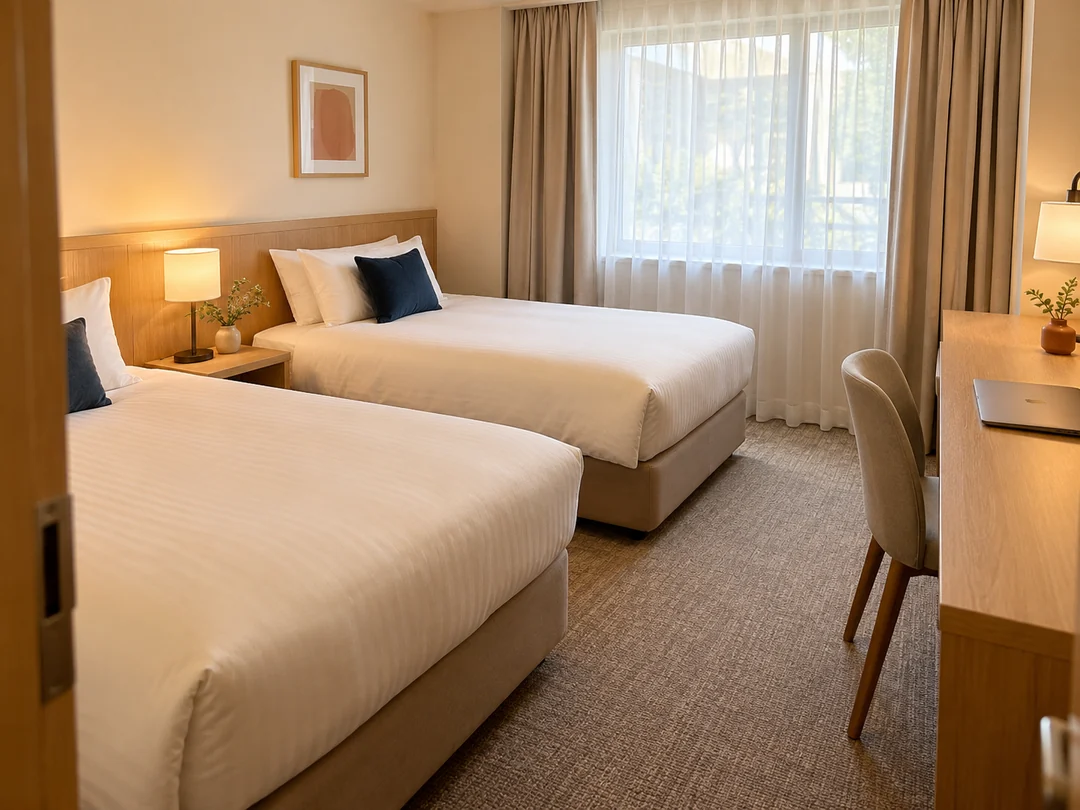
Choose your Osaka base
Compare Namba and Umeda addresses
Start with Namba for the food districts and Nara day trip, or Umeda for JR connections, then use the map to check each property against your arrival route. Enter the hotel nights you actually need, which may differ from three full sightseeing days.
Check the walk from the station exit you will use, room layout, total price and cancellation terms. City-wide results can include properties well beyond your chosen base.
Affiliate link: BoardingNotes may earn a commission if you purchase through this link.
Compare Osaka stays for your datesDay 1: Osaka Castle and Dotonbori
Route: Osaka Castle Park → the castle's main tower → lunch → Nakanoshima riverside (optional) → evening in Dotonbori.
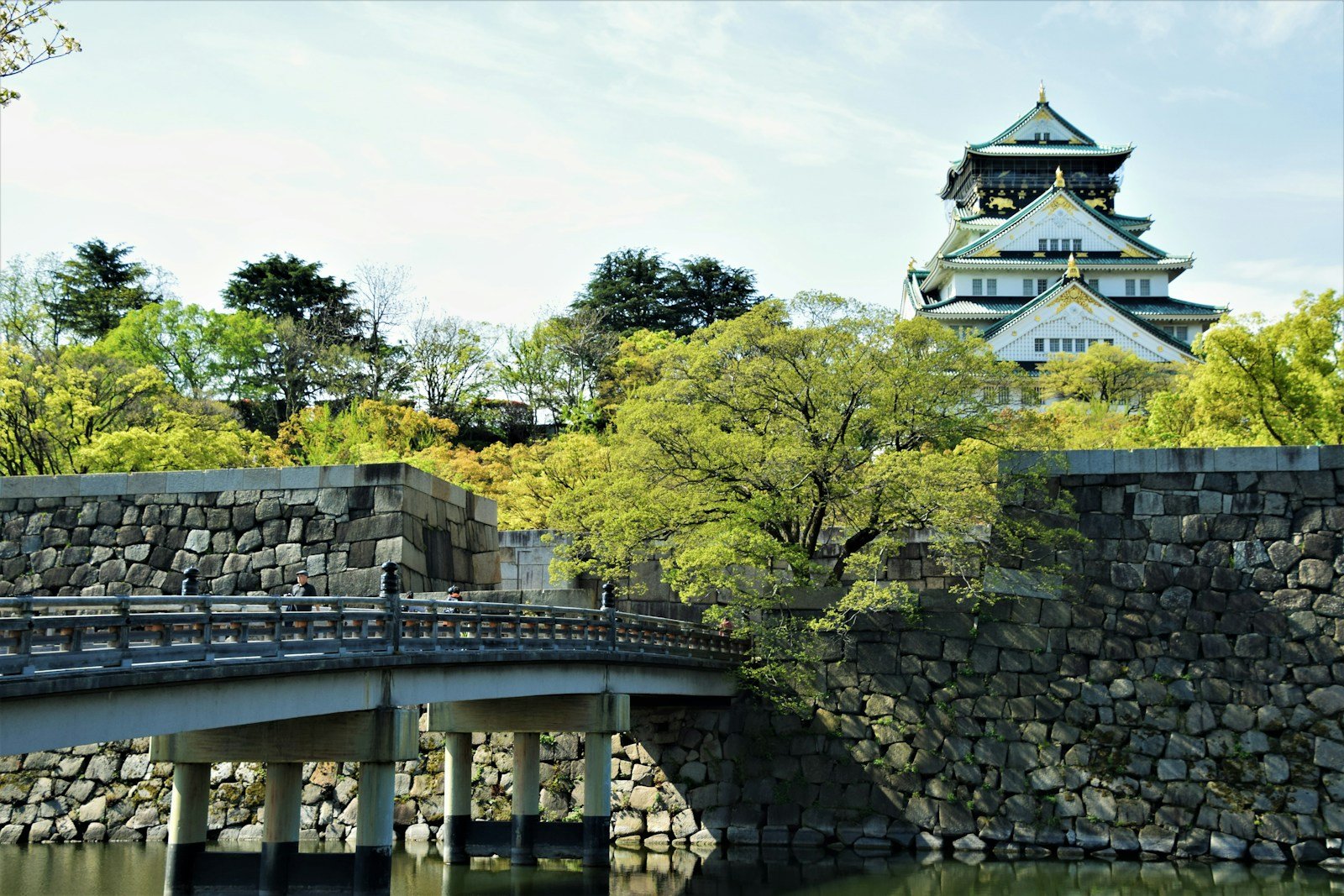
Osaka Castle's main tower is open from 9 a.m. to 6 p.m., with last entry at 5:30 p.m. Admission is ¥1,200 for adults, and the tower closes from December 28 to January 1. Ticket lines can be long in busy seasons, so arrive early. The park around the castle is free to walk.
In the afternoon, walk along the river at Nakanoshima if you have energy left.
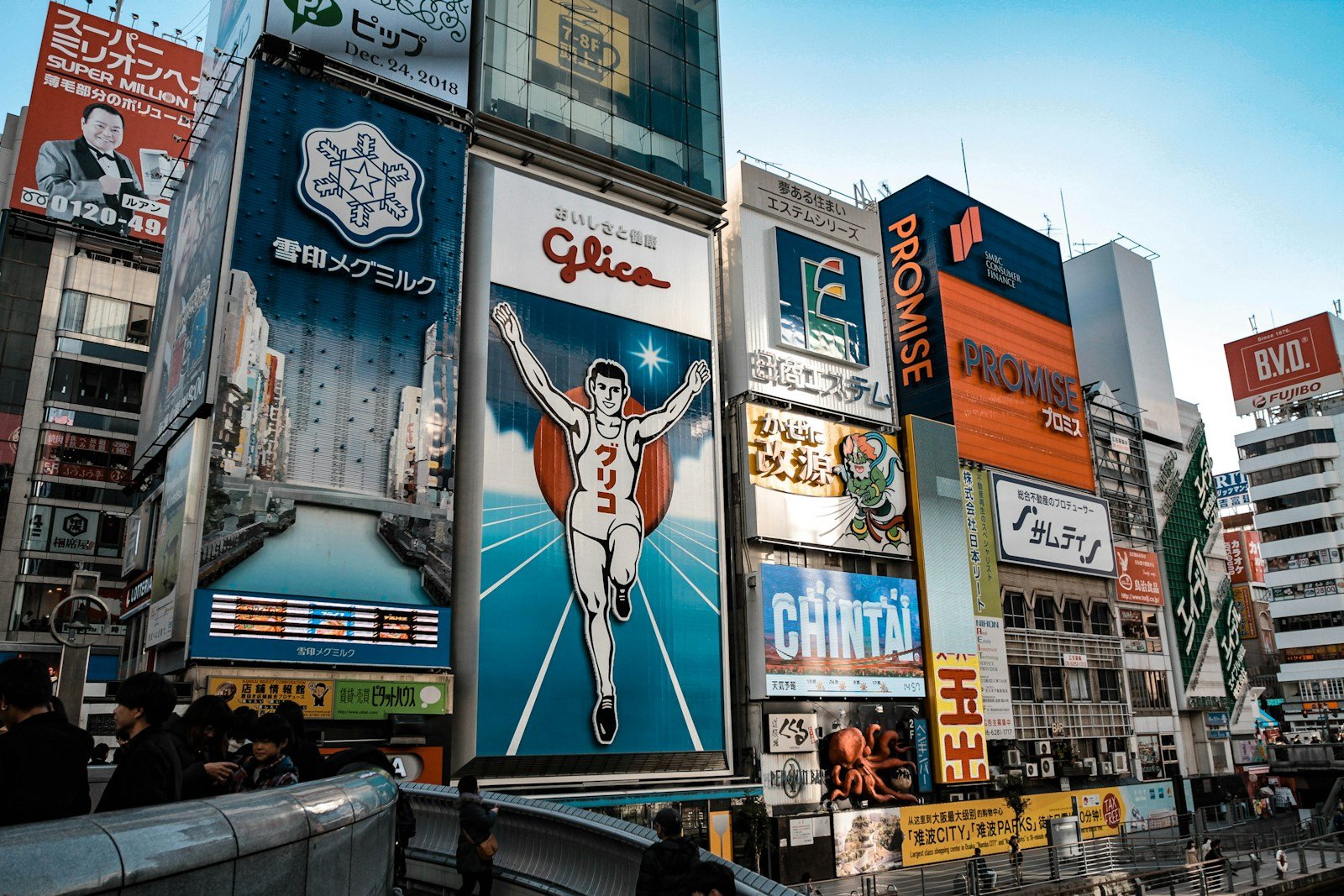
After dark, head to Dotonbori, Osaka's canal-side food and neon street. Try local dishes such as takoyaki (octopus balls) and okonomiyaki (savory pancakes), and expect crowds in the evening.
Day 2: Kuromon, Shinsekai, and Umeda
Route: Kuromon Market in the morning → Shinsekai and Tsutenkaku Tower → rest → Umeda Sky Building in the evening.
Visit Kuromon Market in the morning, around 9:30 or 10 a.m. Each shop sets its own hours and closing days, so check the market's shop directory for any stall you particularly want to visit. Bring some cash for smaller purchases.
Next, take the subway to Shinsekai, an older neighborhood known for kushikatsu (fried skewers). Its landmark Tsutenkaku Tower lists general observation-deck hours of 9 a.m. to 9:45 p.m., with last entry at 9:15 p.m. Timed entry is required: book a ticket in advance, or, if using the Osaka Amazing Pass, reserve your entry time at the on-site counter that day. Check the tower's current entry guidance and leave room for a wait.
In the evening, go north to Umeda for the Umeda Sky Building and its open-air rooftop. The observatory's usual hours are 9:30 a.m. to 10:30 p.m., with last entry at 10 p.m. Check the official calendar before planning a late visit: it closes at 7 p.m. on November 8, 2026 (last entry 6:30 p.m.), and at 6 p.m. on April 18, 2027 (last entry 5:30 p.m.) for maintenance.
Day 3: Nara
Route: Kintetsu train to Nara → Nara Park → Tōdai-ji → Kasuga Taisha (optional) → back to Osaka.
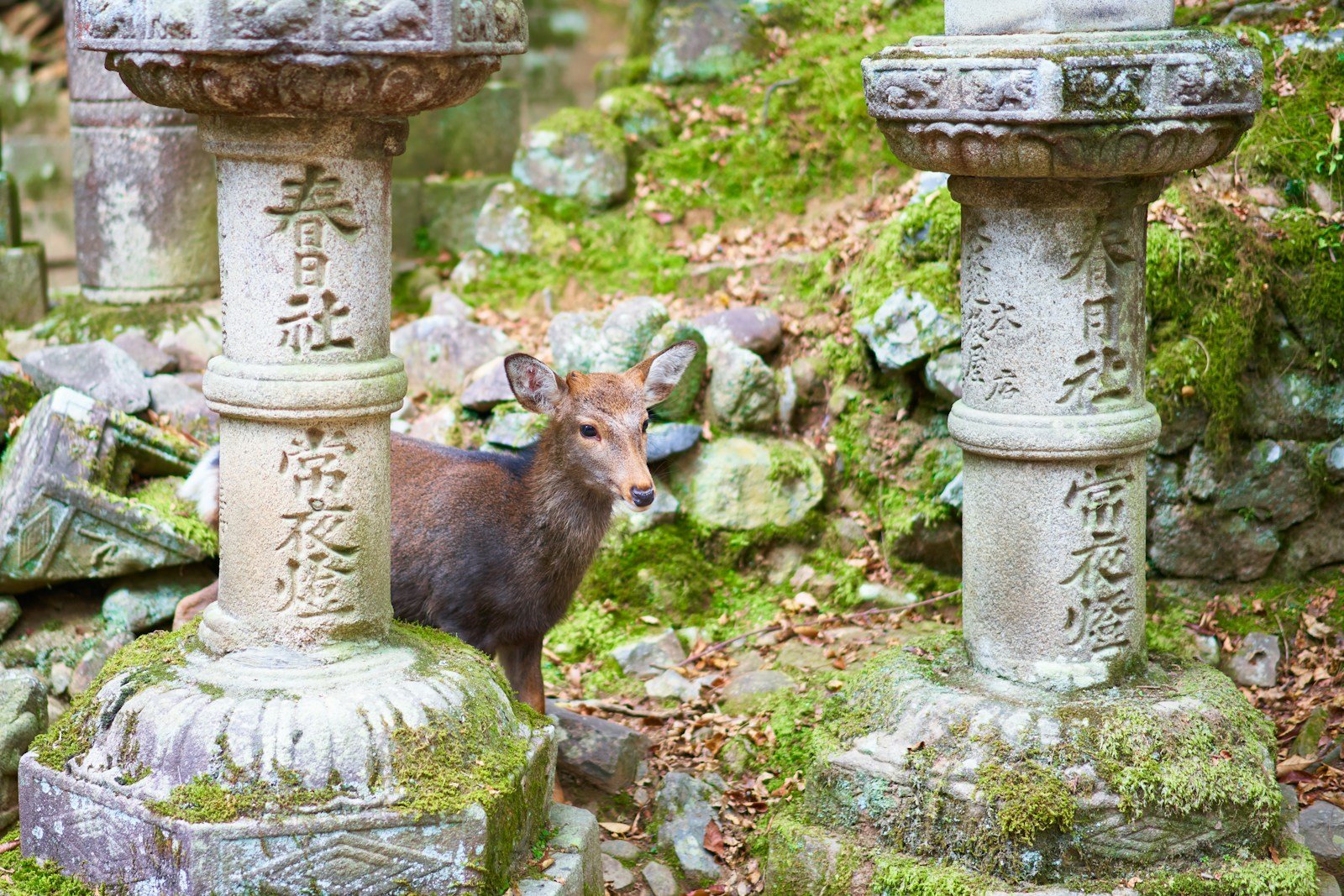
Kintetsu express trains run from Osaka-Namba to Kintetsu-Nara in about 40 minutes, and the park is a short walk from the station.
Nara Park's deer roam freely. Follow these rules from the city and the park's deer foundation:
- Feed them only the official deer crackers (shika senbei) sold in the park.
- Deer can bite, kick, or butt. Give all deer space. From September to November, stay away from males even if their antlers have been cut. Be especially careful around mothers and fawns during the May-to-early-July birth and rearing season.
- Keep paper and plastic bags out of reach. There are no public trash bins in the park, so carry your waste out.
Walk to Tōdai-ji, home of the Great Buddha Hall, then continue to Kasuga Taisha through the lantern-lined paths if you have time. Check Tōdai-ji's hours and admission fees and Kasuga Taisha's visitor information before choosing your departure time from Osaka. Prioritize the Great Buddha Hall before its seasonal closing time, and treat Kasuga Taisha as optional if the day is running late.
Return to Osaka in the late afternoon.
Keep / Swap / Skip
| Your situation | Keep | Swap | Skip |
|---|---|---|---|
| Universal Studios Japan is a must | Days 1 and 3 | Replace Day 2 with Universal Studios Japan; buy date-specific tickets from the official site or an authorized seller | Kuromon and Umeda; fit Shinsekai into another evening only if you have time |
| Arriving by bullet train | Day 1 afternoon | Start at Osaka Castle after check-in | A morning castle visit |
| Rainy day | Kuromon Market, Umeda | Department store food halls | Long walks in Nara |
| Visiting Dec 28–Jan 1 | Dotonbori, Nara | Castle Park only | The castle tower (closed) |
| A busy sightseeing day | Osaka Amazing Pass | Pay as you go on lighter days | Buying the pass without adding up costs |
| Only two days | Days 1 and 2 for Osaka itself | If Nara is a priority, replace Day 2 with the Nara route | The third day; avoid squeezing all three routes into two |
Your preparation checklist
- Book your stay near Namba or Umeda.
- Get an IC card and set up mobile data.
- Compare the Osaka Amazing Pass with your actual plans.
- Plan Osaka Castle before its 5:30 p.m. last entry.
- Go to Kuromon Market in the morning.
- Read Nara's deer rules before you go.
- For purchases from November 1, 2026, follow the new tax-refund process and keep eligible goods available for departure checks.

Mobile data for your Japan trip
Plan your connection before arrival
If your current mobile plan does not cover your needs in Japan, compare eSIM options for maps, train information and translation. Choose a validity period for your whole Japan trip, including any Tokyo, Kyoto or Nara days.
Check that your phone is unlocked and eSIM-compatible, then compare coverage, data allowance and activation rules. You may not need another plan if your existing roaming is sufficient. Keep key maps and hotel details available offline too.
Affiliate link: BoardingNotes may earn a commission if you purchase through this link.
Compare Japan eSIM plans on AiraloPlanning sources
Key booking and rule sources checked October 27, 2026: Amazing Pass prices and validity · Osaka Castle · Shinkansen baggage rules · Tax-free shopping changes. Check the provider’s calendar for the date you intend to travel. Publication checks on November 7, 2026 also covered the current Tsutenkaku entry rules, Umeda closure dates, Amazing Pass admission windows, and Nara deer safety guidance.
Frequently asked questions
Is three days enough for Osaka?
Yes, for Osaka Castle, the main food districts, and a Nara day trip, assuming three full sightseeing days. For Universal Studios Japan, add a day to keep all these stops, or replace Day 2 as shown above.
Is the Osaka Amazing Pass worth it?
It can be on a day when you visit several included sights and ride the subway a lot. A 1-day pass costs ¥3,500. Check the official list of included sights and add up your plans first.
Should I stay in Namba or Umeda?
Namba is closest to Dotonbori, Kuromon Market, and the trains to Nara and Kansai Airport. Umeda suits JR connections to Kyoto and Shin-Osaka.
How do I get from Osaka to Nara?
Take a Kintetsu express from Osaka-Namba to Kintetsu-Nara, about 40 minutes. Nara Park is a short walk from the station.
How much does Osaka Castle cost?
Admission to the main tower is ¥1,200 for adults. It's open from 9 a.m. to 6 p.m., with last entry at 5:30 p.m.
Are the Nara deer safe?
They're wild animals that can bite, kick, or butt. Feed them only the official crackers, keep bags out of reach, and give them space throughout the year. Take extra care around males in fall and mothers with fawns in early summer.
How do I get from Kansai Airport to Osaka?
The Nankai Rapi:t reaches Namba in about 40 minutes, and the JR Haruka reaches Shin-Osaka in about an hour.
Before you go
Stay near Namba or Umeda, plan the castle before last entry, and read Nara's deer rules. Three days in Osaka work best with mornings for sights and evenings for food.