
The short answer: how to split 10 days in Japan
For 10 days in Japan, split your nights like this:
- Tokyo, 4 nights (Days 1–4): Asakusa and Ueno, Harajuku and Shibuya, Tsukiji and Ginza.
- Kyoto, 3 nights (Days 5–7): Higashiyama and Gion, Arashiyama, then a choice of Fushimi Inari or the eastern temple walk.
- Osaka, 2 nights (Days 8–10): Osaka Castle and Dotonbori, a day trip to Nara, then fly home.
If you can, fly into Tokyo and out of Osaka's Kansai Airport, so you never backtrack.
For this route, the Japan Rail Pass usually costs more than separate tickets. Reserve a seat with an oversized-baggage area on the bullet train if your suitcase is large, and budget for paying tax upfront on eligible shopping purchases under the refund system introduced November 1, 2026.
This is a nine-night plan across ten calendar days, including arrival and departure. It is a busy first visit with two hotel transfers; the Kyoto days are grouped below to reduce crossing the city.
Jump to
- 10-day Japan at a glance
- Before you book: flights, passes, and luggage
- Is the Japan Rail Pass worth it for this route?
- Days 1–4: Tokyo
- Day 5: Tokyo to Kyoto
- Days 6–7: Kyoto
- Day 8: Kyoto to Osaka
- Day 9: Nara day trip
- Day 10: Osaka and departure
- Costs that changed in 2026
- Keep / Swap / Skip
- preparation checklist
- FAQ
Your 10-day Japan itinerary at a glance
| Day | Base | Main area | Core stops | Transfer |
|---|---|---|---|---|
| 1 | Tokyo | Arrival | Check in, a short evening walk | Airport train |
| 2 | Tokyo | Asakusa and Ueno | Sensō-ji, Ueno Park | — |
| 3 | Tokyo | Harajuku and Shibuya | Meiji Jingu, Shibuya Crossing | — |
| 4 | Tokyo | Tsukiji, Ginza, Shinjuku | Tsukiji Outer Market, Ginza, Shinjuku at night | — |
| 5 | Kyoto | Southern Higashiyama | Kiyomizu-dera, Gion | Shinkansen, about 2 hr 15 min |
| 6 | Kyoto | Western and northern Kyoto | Arashiyama; optional Kinkaku-ji | — |
| 7 | Kyoto | Choose south or east | Fushimi Inari, or Ginkaku-ji and the Philosopher’s Path | — |
| 8 | Osaka | Osaka Castle and Dotonbori | Castle tower, evening in Dotonbori | Train, about 30 min |
| 9 | Osaka | Nara | Nara Park, Tōdai-ji | Kintetsu train, about 40 min each way |
| 10 | — | Osaka and departure | Kuromon Market, airport | Train to Kansai Airport |
Details checked October 27, 2026. Confirm hours, prices, and closures for your own dates.
Who this itinerary is for
This route suits first-time visitors who want to combine Tokyo, Kyoto, and Osaka in one trip and are comfortable with two hotel transfers. Expect a lot of walking, especially in Tokyo stations and Kyoto temples. If you prefer fewer hotel changes, see the Keep / Swap / Skip table for a two-base version.
Your Japan hotel bases
Compare the stays for your version of the route
The standard plan uses four nights in Tokyo, three in Kyoto and two in Osaka. Search the dates you will actually spend in each city, then compare the exact station access, room total and cancellation terms.
Adjust the nights if you keep two bases or fly home from Tokyo. These links open city searches; they do not apply the itinerary dates automatically.
Affiliate links: BoardingNotes may earn a commission if you book or purchase through these links.
Before you book: flights, passes, and luggage
Flights. Search for an "open-jaw" ticket: into Tokyo (Narita or Haneda) and out of Osaka (Kansai, KIX). If your flight home leaves from Tokyo, travel back on Day 9 and spend the final night there, replacing Nara. Adding a Tokyo hotel after Day 10 makes this an eleven-day trip.
Getting from Tokyo's airports. From Narita, the Narita Express reaches Tokyo Station in about 60 minutes, and the Keisei Skyliner reaches Nippori in about 40 minutes. From Haneda, the Tokyo Monorail reaches Hamamatsucho in about 20 minutes, and the Keikyu Line reaches Shinagawa in about 15 minutes.
IC card. A rechargeable IC card such as Suica, PASMO, or ICOCA works on participating local trains, subways, and city buses in all three cities. It is a way to pay, not an unlimited pass. Shinkansen and limited-express journeys require the appropriate tickets or reservations; loading money onto an IC card alone does not cover them.
Luggage on the bullet train. On the Tokaido Shinkansen between Tokyo, Kyoto, and Osaka, bags with total dimensions (length + width + height) of over 160 cm and up to 250 cm (about 63–98 inches) need a reserved seat with an oversized-baggage area. The seat costs the same as an ordinary reserved seat in the same class; arriving with oversized baggage without the required reservation incurs a ¥1,000 fee. Bags larger than 250 cm aren't allowed on board. If you send a suitcase ahead, confirm both hotels accept the service, the dispatch cutoff, and the delivery date. Keep essentials with you for the time without your bag.
Data. Maps, train apps, and translation tools need mobile data from the moment you land. Our international eSIM guide explains what to check.

Mobile data for Japan
Choose data for the whole trip
If your existing mobile plan does not cover your needs in Japan, compare eSIM options for maps, train information and translation across your Tokyo, Kyoto and Osaka days.
Check that your phone is unlocked and eSIM-compatible. Compare data allowance, validity and activation rules, and keep key hotel details and maps available offline.
Affiliate link: BoardingNotes may earn a commission if you book or purchase through this link.
Compare Japan eSIM plans on AiraloIs the Japan Rail Pass worth it for this route?
Usually not. Here's the math:
- A 7-day Japan Rail Pass (ordinary class) costs ¥50,000 on the official online site and ¥53,000 through overseas agents since October 1, 2026.
- On this route, the only long ride is Tokyo to Kyoto: roughly ¥14,000 one way on the fastest Nozomi trains.
- Kyoto to Osaka, Osaka to Nara, and Osaka to Kansai Airport are short, inexpensive rides.
For the standard route, even adding a return to Tokyo will usually leave separate tickets cheaper than a 7-day pass; compare the trains and seats you would actually book. Pass holders using Nozomi must buy the additional Nozomi/Mizuho ticket before boarding (¥4,960 between Tokyo and Kyoto).
When to recalculate: If you add long trips, such as Hiroshima or Kanazawa, add up the one-way fares for your exact dates and compare them with the pass price. Prices change, so check the official Japan Rail Pass site before you buy.
Days 1–4: Tokyo
Day 1: Arrival. Take the train in from the airport, check in, and keep the evening light: a walk and dinner near your hotel.

Day 2: Asakusa and Ueno. Start early at Sensō-ji, then continue to Ueno Park and its museums. Tokyo National Museum normally closes on Mondays; when Monday is a holiday, it generally opens that day and closes the next. Check its official calendar before assigning this day: it is closed December 15 and December 26–31, 2026, and only the Horyu-ji Treasures Gallery and Kuroda Memorial Hall open December 22–25. Other gallery closures also apply.
Day 3: Meiji Jingu, Harajuku, and Shibuya. Walk through the forest to Meiji Jingu, then down Omotesando to Shibuya Crossing. If you want the Shibuya Sky observation deck, book a timed ticket ahead; if it sells out online, the counter has none either.
Day 4: Tsukiji, Ginza, and Shinjuku. Visit Tsukiji Outer Market in the morning, then Ginza, and end in Shinjuku’s evening alleys. Check the market calendar and the shops you want: hours and closing days vary. Bring some yen because payment options differ by shop. If visiting the Tsukiji Uogashi wholesale facility, general shoppers enter from 9 a.m.; leave large luggage at your hotel.
Where to stay in Tokyo: Near a station on a line you'll use every day, such as the JR Yamanote Line. For more detail on these areas, use our four-day Tokyo itinerary.

Day 5: Tokyo to Kyoto
Transfer: The Nozomi bullet train takes about 2 hours 15 minutes from Tokyo Station to Kyoto. Reserve your oversized-baggage seat if you need one.
Afternoon: Southern Higashiyama. Take a morning train, drop your bags, and visit Kiyomizu-dera before its seasonal closing time. Then walk Sannenzaka and Ninenzaka toward Yasaka Shrine and Gion. If your arrival leaves too little time for the temple, keep the evening walk and move the temple visit to Day 7 instead of adding both Day 7 routes. Night openings apply only on announced dates.
Where to stay in Kyoto: Near a subway or train station, so you aren't relying only on city buses, which get crowded.
Days 6–7: Kyoto
Day 6: Arashiyama, with an optional Kinkaku-ji visit. Start with Tenryu-ji’s garden, the Bamboo Grove, and Togetsukyo Bridge. Enjoy lunch in the area. If you want the Golden Pavilion, plan the onward bus or taxi before setting out; it is a separate transfer, not a nearby walk. Drop it if you would rather linger by the river.

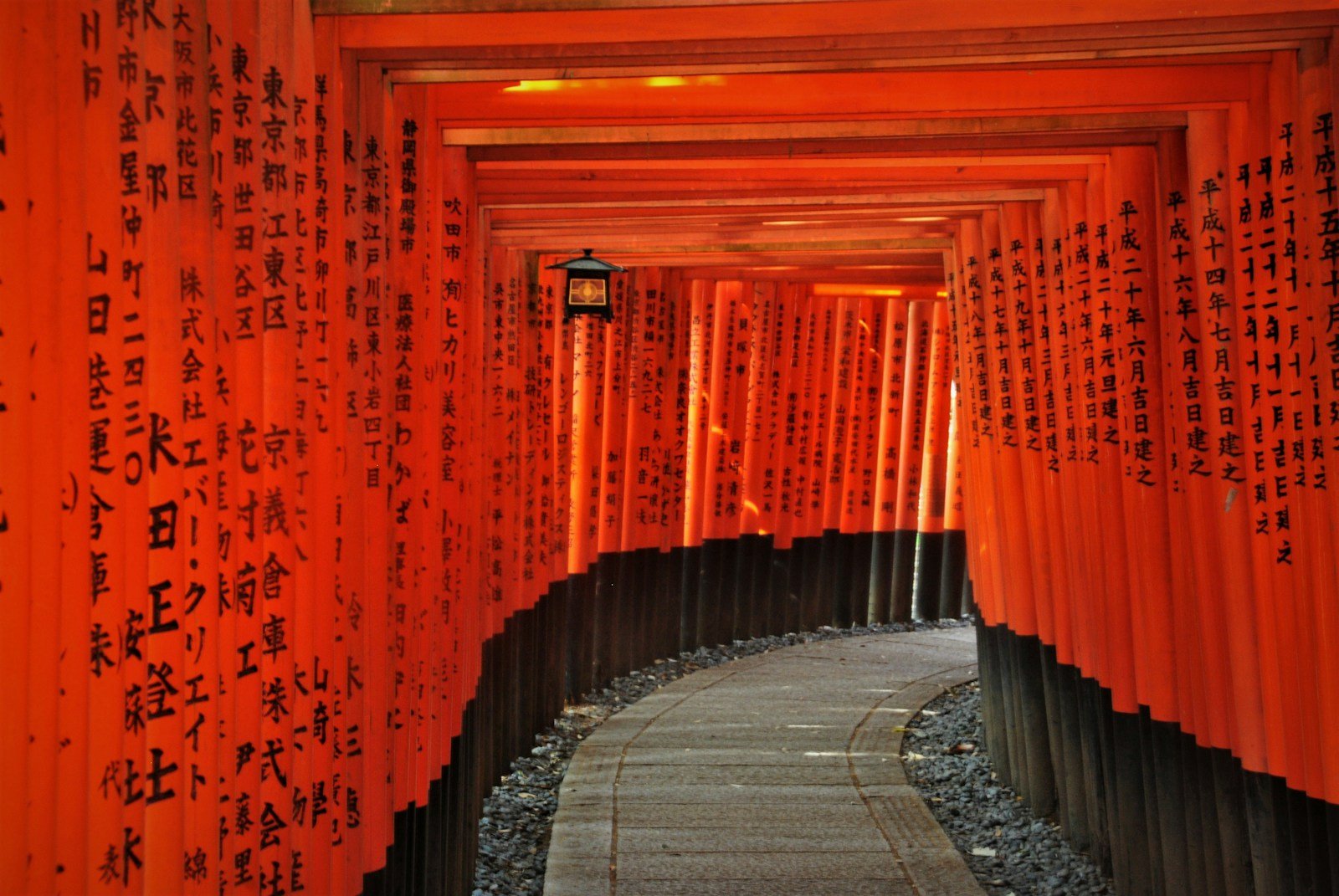
Day 7: Choose one main route. For the torii gates, visit Fushimi Inari early and walk as far up the mountain as suits you, then keep the afternoon light. For a longer temple-and-garden walk, choose Ginkaku-ji, the Philosopher’s Path, and Nanzen-ji instead. Trying to do both routes turns a flexible day into another cross-city rush.
Use trains and the subway for longer hops where practical, then buses or a taxi for the last connection. Compare a day pass with your actual rides; it does not cover every rail operator. Our Kyoto in fall itinerary explains the city’s different sightseeing areas; seasonal details apply to autumn.
Day 8: Kyoto to Osaka
Transfer: JR Special Rapid trains connect Kyoto Station and Osaka Station in about 30 minutes. Osaka Station and Shin-Osaka are different stations; check the onward connection to your hotel before you leave.
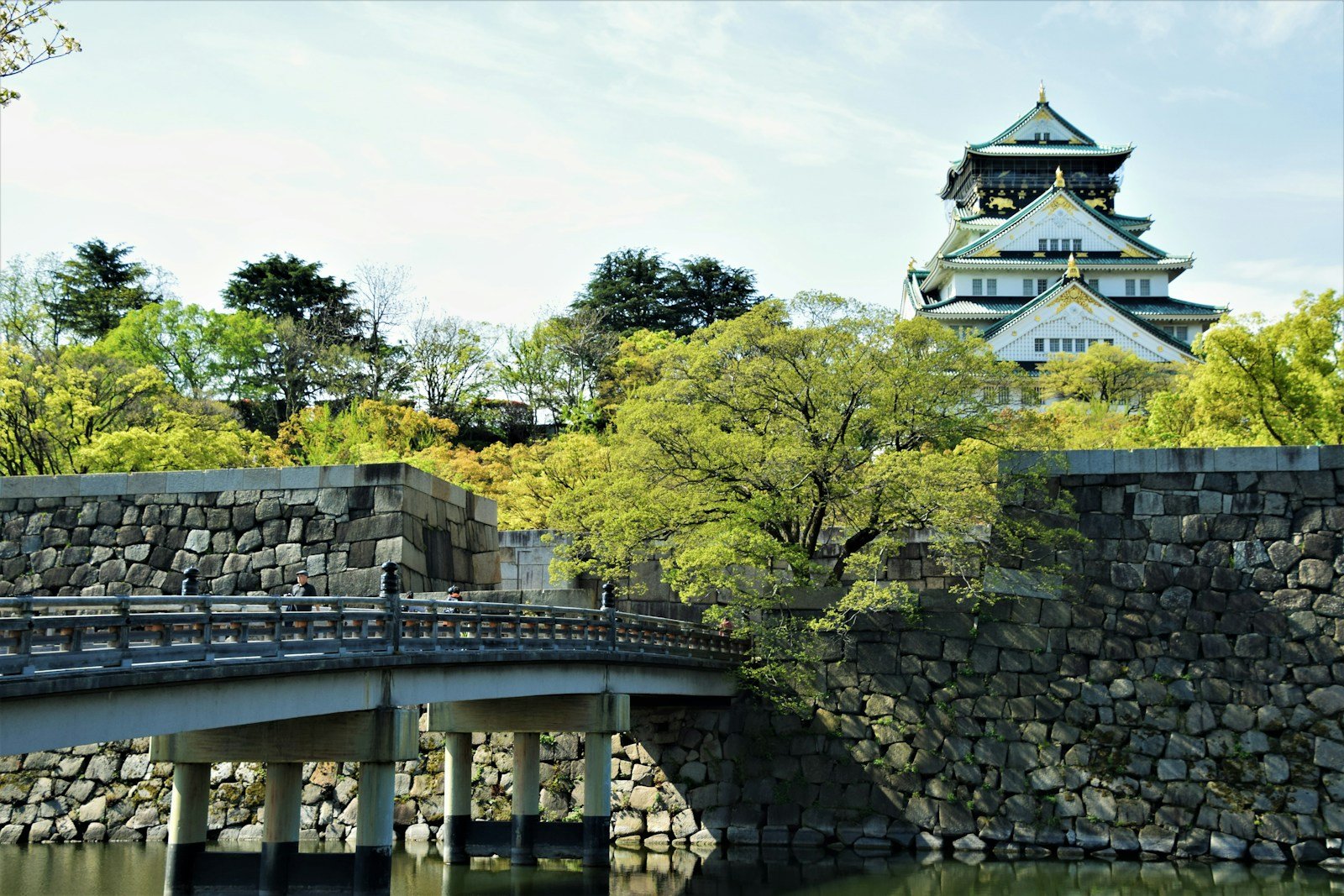
Afternoon: Osaka Castle. The castle's main tower is open from 9 a.m. to 6 p.m. (last entry 5:30 p.m.), and admission is ¥1,200 for adults. It's closed from December 28 to January 1.
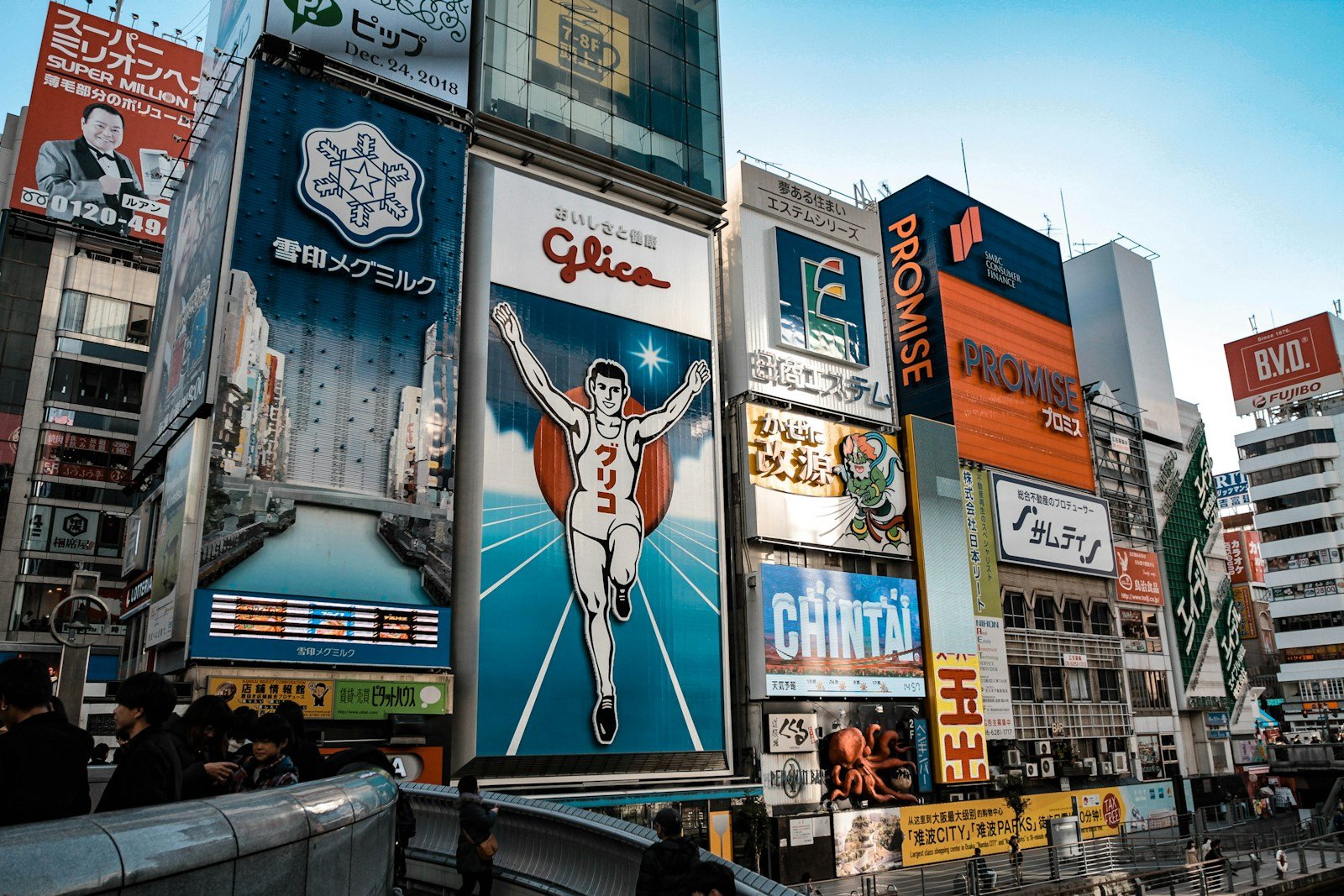
Evening: Dotonbori. Walk Osaka's canal-side food and neon district after dark, and try local dishes such as takoyaki and okonomiyaki.
Where to stay in Osaka: Near Namba for food and the Nara and airport trains, or near Umeda and Osaka Station for JR connections. Our three-day Osaka itinerary gives a fuller city plan if you add time here.
Day 9: Nara day trip
Getting there: Kintetsu express trains from Osaka-Namba reach Kintetsu-Nara station in about 40 minutes.
Nara Park is home to hundreds of free-roaming deer. Feed them only the official deer crackers (shika senbei) sold in the park. Deer can bite, kick, or butt, especially males in fall and mothers with fawns in early summer, so keep your distance and keep paper and plastic bags out of reach. There are no public trash bins in the park, so carry your waste out.
Walk to Tōdai-ji, home of the Great Buddha Hall, and continue to Kasuga Taisha if you have time. Check Tōdai-ji’s hours and fees and Kasuga Taisha’s visitor information before choosing your train from Osaka. Prioritize the Great Buddha Hall before closing and keep the second shrine optional.
Return to Osaka for the evening; Shinsekai, near Tsutenkaku Tower, is a good area for dinner.
Day 10: Osaka and departure
If your flight is late enough, spend a short morning at Kuromon Market. For a morning or early-afternoon flight, go straight to the airport; market time is optional.
To Kansai Airport (KIX): The Nankai Rapi:t from Namba takes about 40 minutes. The JR Haruka runs from Shin-Osaka in about an hour and from Kyoto in about 75 minutes. Leave plenty of time for check-in and, if you shopped tax-free, the refund process at departure.
Costs that changed in 2026
Tax-free purchases. Purchases from November 1, 2026 use a refund system: pay the tax-inclusive price at an eligible store, show your passport, and follow the retailer’s refund instructions. Complete customs export confirmation at departure within 90 days of purchase, keeping the goods available before checking your luggage. The refund comes through the retailer or its provider, so allow for processing time. Goods consumed in Japan do not qualify.
Departure tax. The standard international tourist tax rose to ¥3,000 from July 1, 2026 and is generally collected through the carrier. Exemptions and transitional treatment for eligible earlier-issued tickets apply; check the tax shown on your booking.
Keep / Swap / Skip
| Your situation | Keep | Swap | Skip |
|---|---|---|---|
| Flying home from Tokyo | Tokyo and Kyoto | Keep Tokyo and Kyoto; return to Tokyo on Day 9 and sleep there before departure | The Osaka hotel |
| Fewer hotel changes | Tokyo, Kyoto | Visit Osaka and Nara as day trips from Kyoto | A third hotel |
| Traveling in cherry blossom season | Early starts at popular spots | Book hotels as early as you can | Assuming bloom dates; check forecasts |
| Large suitcases | The bullet train | Send bags ahead by hotel luggage service | Boarding without a baggage-area reservation |
| A museum closure on your Tokyo dates | Asakusa, Shibuya | Move the museum visit after checking holiday exceptions and its calendar | Assuming every museum follows the same Monday rule |
| Only 7 days | Tokyo (3 nights), Kyoto (3 nights) | Nara as a day trip from Kyoto | Osaka overnight |
Your preparation checklist
- Price an open-jaw flight: into Tokyo, out of Osaka.
- Add up your train fares before deciding on a rail pass.
- Measure your suitcase and reserve an oversized-baggage seat if needed.
- Get an IC card and set up mobile data.
- Book timed tickets for your chosen attractions when their booking windows open; add teamLab only if you replace another stop.
- Check closing days for museums and markets.
- Keep tax-free purchases with you until departure.
- Use our international travel checklist for documents and insurance.
Planning sources
Key booking and rule sources checked October 27, 2026: Rail Pass prices · Baggage rules · Tax-free changes · Departure tax. Check the provider’s calendar for the date you intend to travel. Publication checks on November 13, 2026 also covered airport rail links, Tokyo museum closures, market guidance, temple visiting information, and the current customs refund procedure.
Frequently asked questions
Is 10 days enough for Japan?
Ten days is enough for a first trip to Tokyo, Kyoto, and Osaka with a Nara day trip, at a steady pace. Adding more cities in 10 days means more time on trains.
Should I buy a Japan Rail Pass for 10 days?
For this route, usually not. A 7-day pass costs ¥50,000 on the official site, while the main long ride, Tokyo to Kyoto, costs roughly ¥14,000 one way. Recalculate if you add long trips.
How many days should I spend in Tokyo, Kyoto, and Osaka?
A balanced split is four nights in Tokyo, three in Kyoto, and two in Osaka. If you'd rather change hotels less, stay in Kyoto and visit Osaka and Nara as day trips.
How do I get from Tokyo to Kyoto?
Take the Tokaido Shinkansen. The Nozomi takes about 2 hours 15 minutes. If your suitcase is large, reserve a seat with an oversized-baggage area.
Can I take big suitcases on the bullet train?
Yes, up to 250 cm in total dimensions. Bags over 160 cm and up to 250 cm need a reserved seat with an oversized-baggage area, at the normal reserved-seat price for that class. Boarding with oversized baggage without this reservation incurs a ¥1,000 fee.
Should I fly into Tokyo and out of Osaka?
If your airline offers it at a similar price, yes. It saves you a return trip to Tokyo at the end.
How does tax-free shopping work in Japan now?
Purchases from November 1, 2026 use the new refund method: pay tax at the store, complete export verification at departure, and receive the refund through the retailer or its service provider. Keep the goods accessible for inspection.
Before you go
Price an open-jaw flight, skip the rail pass unless your own math says otherwise, and reserve bullet-train seats for big bags. Ten days in Japan work best with one area a day and two easy transfers.