
The short answer: how to split three days in Florence
For 3 days in Florence, give each day one anchor:
- Day 1: The Duomo and Piazza della Signoria.
- Day 2: The Uffizi, then across the river to the Oltrarno and Piazzale Michelangelo.
- Day 3: Michelangelo's David at the Accademia and the San Lorenzo area.
One rule shapes the plan: the main state museums in this itinerary normally close on Mondays, while the Duomo complex and Palazzo Vecchio usually open. If your trip includes a Monday, make it Day 1, then check holiday closures and special openings for your dates.
Book the Uffizi, the Accademia, and the dome climb for set times.
This plan assumes three full days and selective museum visits. It works year-round. Winter brings shorter daylight hours, so plan viewpoints and gardens earlier; museum crowds still depend on dates.
Jump to
- Three-day Florence at a glance
- What to book, and where to buy it
- Where to stay for this itinerary
- Getting there and getting around
- Day 1: The Duomo and Piazza della Signoria
- Day 2: The Uffizi, the Oltrarno, and Piazzale Michelangelo
- Day 3: The Accademia and San Lorenzo
- Florence in winter
- Keep / Swap / Skip
- Preparation checklist
- FAQ
Your three-day Florence itinerary at a glance
| Day | Main area | Core stops | Optional stop | Closed Mondays? | Book ahead |
|---|---|---|---|---|---|
| 1 | Duomo + Signoria | Cathedral, Baptistery, Palazzo Vecchio, Ponte Vecchio | Dome or bell tower climb | Normally open; check holidays | Dome slot, or bell tower slot with a Giotto Pass |
| 2 | Uffizi + Oltrarno | Uffizi and an Oltrarno walk; viewpoint if time allows | San Miniato al Monte | Uffizi and Pitti: yes | Uffizi time slot |
| 3 | Accademia + San Lorenzo | David, San Lorenzo, Mercato Centrale | Medici Chapels or Santa Croce | Accademia and Medici Chapels: yes | Accademia time slot |
Details checked November 15, 2026. Confirm hours, prices, and closures for your own dates.
Who this itinerary is for
This route suits independent first-time visitors who want Florence's essential art and architecture without back-to-back museum marathons. Central Florence is compact and walkable. The two climbs (the dome and Piazzale Michelangelo) are optional for anyone who wants to save their legs.
What to book, and where to buy it
| Booking | What to know |
|---|---|
| Brunelleschi's Dome | The Brunelleschi Pass (€30 adult) includes the dome, bell tower, Baptistery, museum, and Santa Reparata for three calendar days from your selected date, with one visit to each. Book the dome for a fixed time in the visitor's name and bring ID. The climb has 463 steps and no elevator. Leave medium and large bags at the official bag storage before entry. |
| The Cathedral | Entry is always free. The Duomo's own site calls "skip-the-line" Cathedral tickets misleading. Dress modestly. |
| Uffizi | Timed entry. Book on the official site when sales open for your dates. Check the current ticket type and booking charge on the official site; do not assume a winter discount. |
| Accademia (David) | Reserve a time through the museum's official ticket link. Standard adult admission is €20, plus a €4 reservation fee. Check reduced or free admission eligibility before buying. |
Buy from the official Duomo site and the museums' official ticket offices first; they show the base admission and booking conditions. If official slots are gone or you'd like a guided visit, resellers are an option. Compare what's included before you pay.
Where to stay for this itinerary
A base inside the historic center, between the Duomo, Santa Maria Novella station, and the river, keeps this itinerary's main stops within walking reach. The Oltrarno offers another base across the river, but popular restaurant and bar streets can stay lively; check noise reviews for the exact address. Check whether your room is up several flights of stairs without an elevator, which is common in old buildings. Our hotel selection checklist covers room details, total price, and booking terms.
Plan your stay
Find a Florence base for this route
Compare stays for your dates, then check the exact address against Santa Maria Novella, the Duomo and the river. Before booking, review stairs or elevator access, recent noise comments, the total price and cancellation terms.
Use the map to check the property, then compare the complete stay for your dates.
Affiliate link: BoardingNotes may earn a commission if you book through this link.
Getting there and getting around
- From Florence Airport (FLR): Take the T2 tram toward San Marco and get off at Valfonda–Stazione SMN for Santa Maria Novella station. The journey to the center takes about 20 minutes; a single ticket costs €2 and is valid for 90 minutes.
- From Pisa Airport (PSA): Take the PisaMover shuttle to Pisa Centrale (about 5 minutes), then a regional train to Florence (roughly an hour, depending on the service). Allow extra time for waiting and the transfer.
- From Rome: High-speed trains take about 1 hour 30 minutes, center to center. See our 3 Days in Rome itinerary if you're combining the two cities.
Inside the center, you'll walk almost everywhere.
Day 1: The Duomo and Piazza della Signoria
Route: Cathedral → Baptistery and Duomo museum → optional dome or bell tower climb → Piazza della Signoria → Palazzo Vecchio → Ponte Vecchio at dusk.
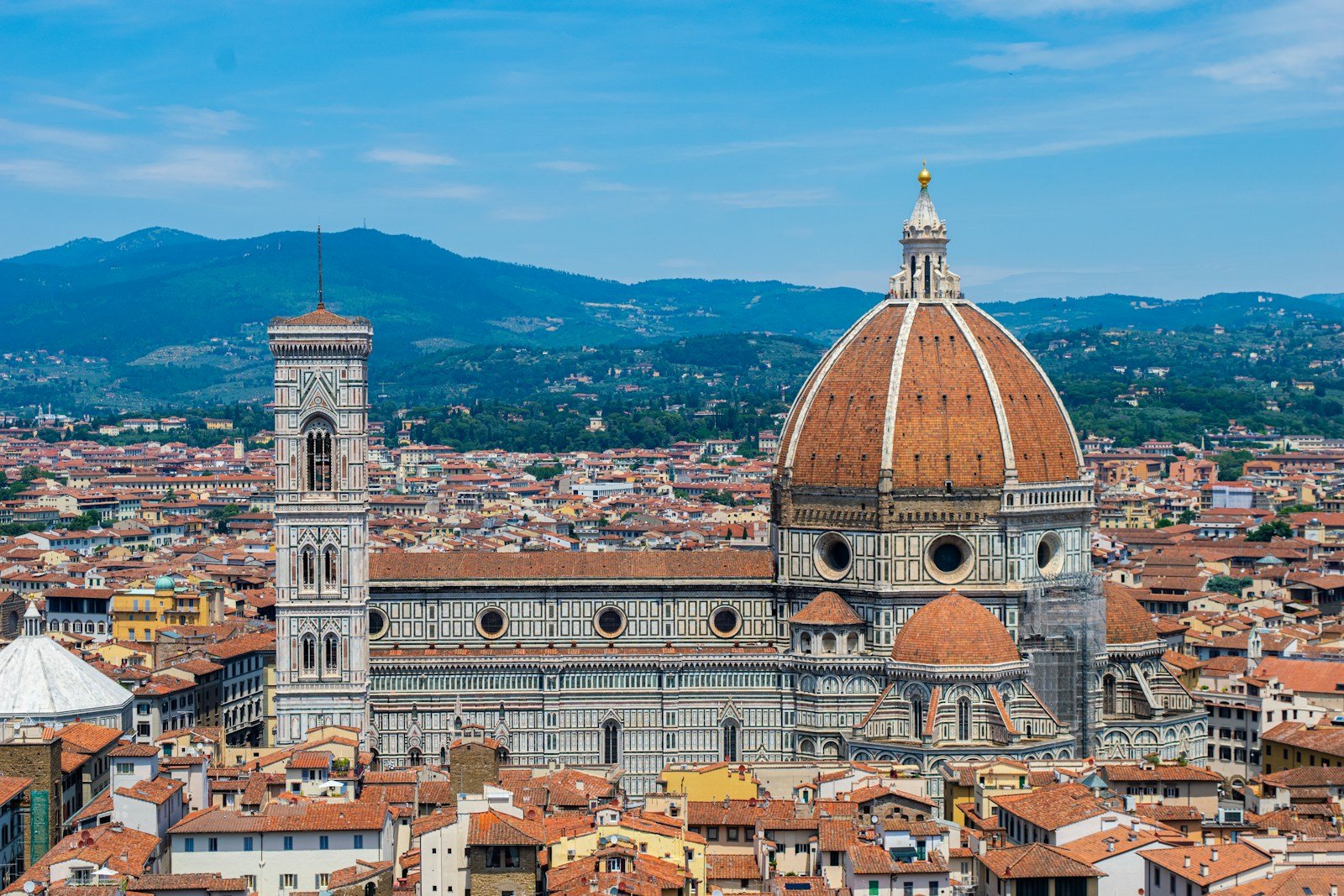
Start at the Duomo. Cathedral admission is free, but tourist visits close on Sundays and religious holidays. Use your pass for the Baptistery and the Museo dell'Opera del Duomo, which holds original sculptures from the complex. The museum closes on the first Tuesday of each month. The Baptistery's ceiling mosaics are under restoration and cannot currently be seen from ground level.
If you booked the dome, leave time for bag storage and arrive before your fixed entry time at Porta della Mandorla on the north side. Bring your ticket and ID; allow roughly an hour for the climb and visit. Giotto's bell tower is an alternative climb of 414 steps, also without an elevator. A Giotto Pass requires a bell tower time slot; with a Brunelleschi Pass, no separate bell tower reservation is needed.
Walk down Via dei Calzaiuoli to Piazza della Signoria and Palazzo Vecchio, the city hall and museum. Palazzo Vecchio is open on Mondays. Its tower closes in the rain, and the museum can close partly for civic ceremonies.
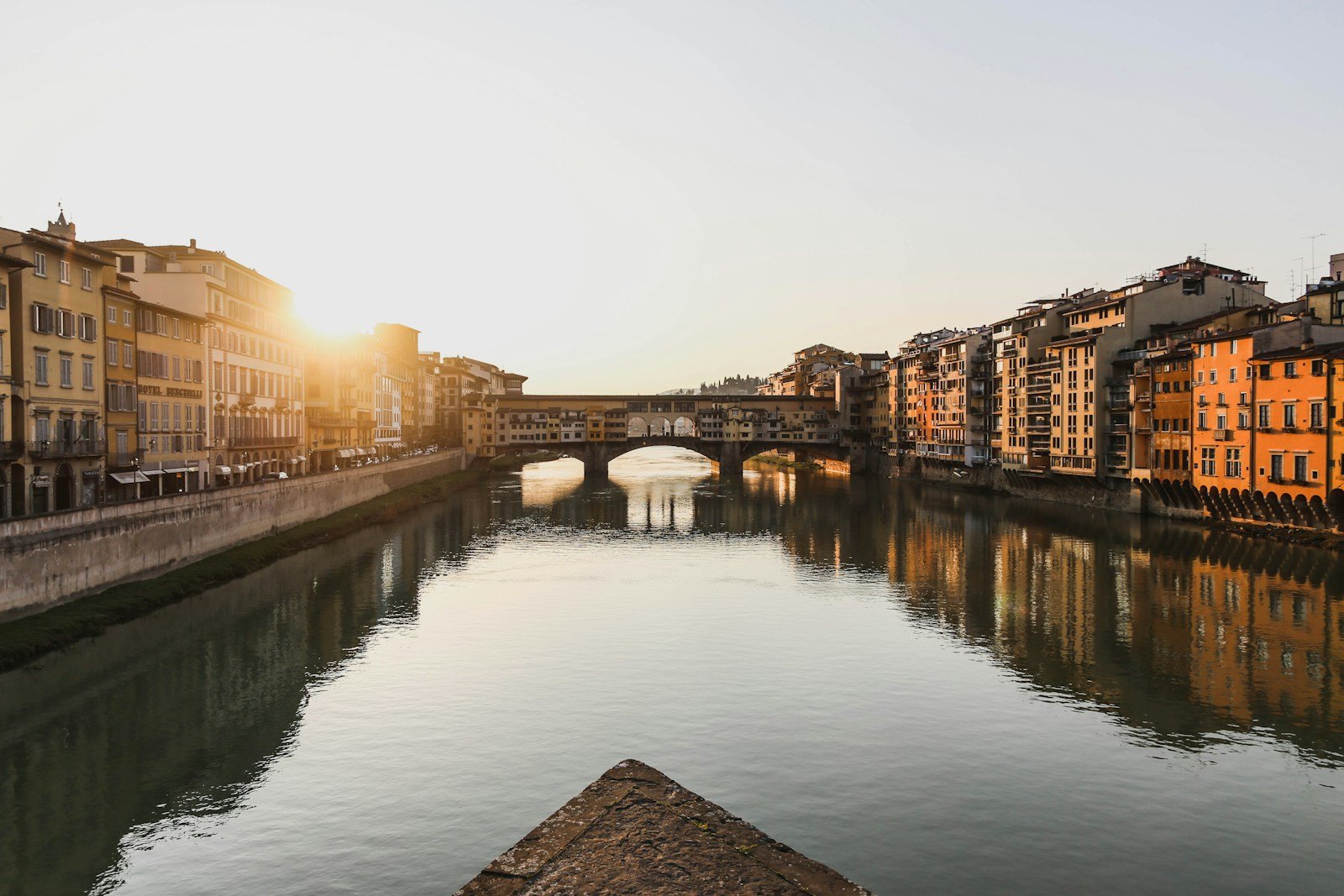
End at the Ponte Vecchio as the light fades.
Day 2: The Uffizi, the Oltrarno, and Piazzale Michelangelo
Route: Uffizi at your time slot → lunch → across the Ponte Vecchio → Oltrarno walk → Piazzale Michelangelo if time and daylight allow. Boboli Gardens or Pitti Palace are optional swaps for part of the afternoon.
Book the Uffizi for the usual 8:15 a.m. opening if you can. Focus on a few rooms, such as the Botticelli rooms, rather than trying to see everything. The museum normally closes on Mondays. For November 20, 2026: a national strike means the Uffizi only guarantees opening from 1:30 to 6:30 p.m., with last admission at 5:30 p.m.; check the official notice before keeping a morning booking.
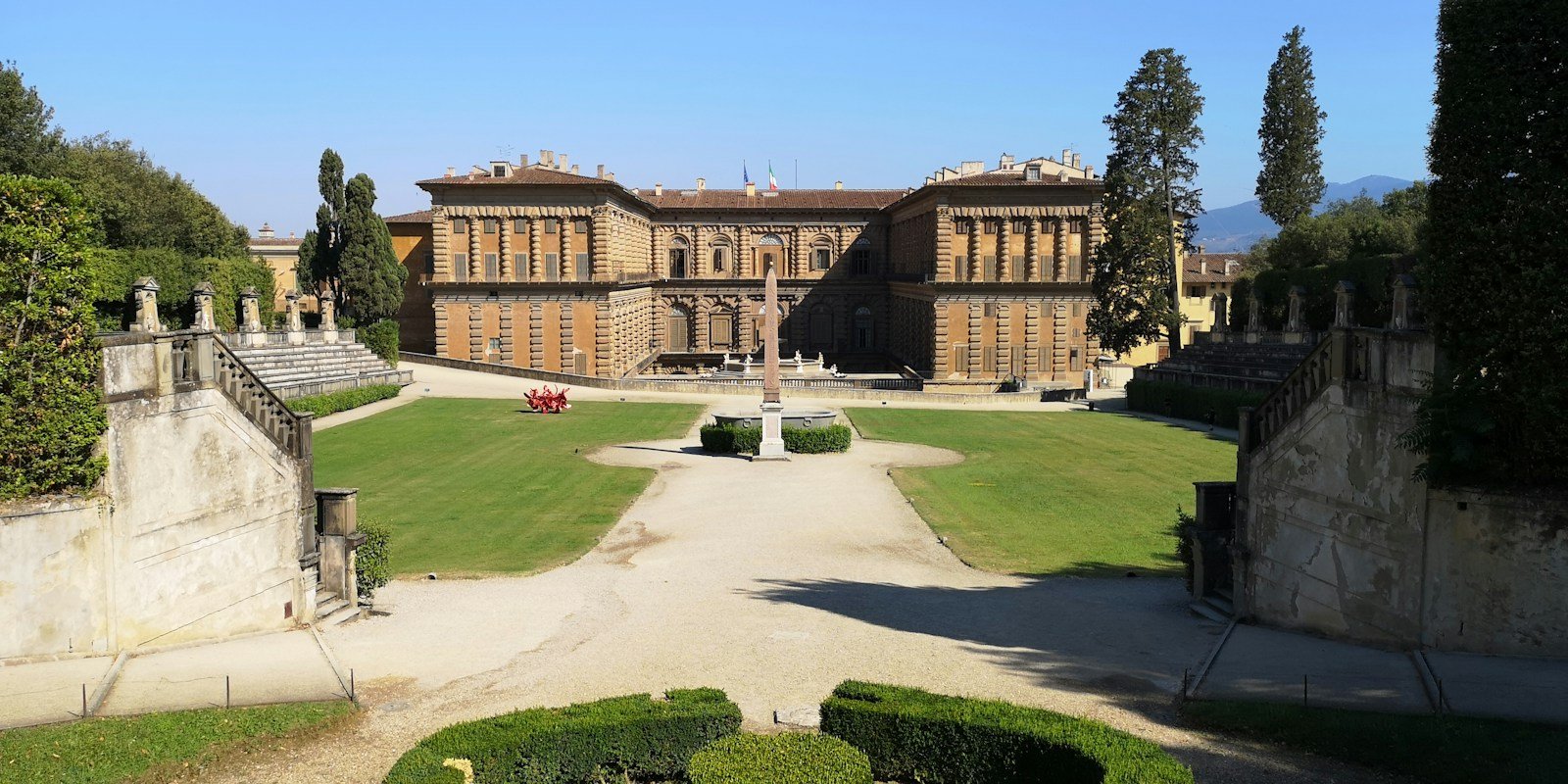
After lunch, cross to the Oltrarno. A neighborhood walk is enough after a long museum morning. For another paid stop, choose Boboli Gardens or the Pitti Palace galleries, leaving the viewpoint optional. Boboli closes at 4:30 p.m. from November to February, with last entry at 3:30 p.m.; it normally closes on the first and last Monday of each month. Pitti closes on Mondays, and some rooms are currently closed for works, so check its notices before booking.
Finish at Piazzale Michelangelo, a free viewpoint over the city. It's a steady uphill walk. The church of San Miniato al Monte, a little higher, is a quieter extension.
Day 3: The Accademia and San Lorenzo
Route: Accademia at your time slot → San Lorenzo area and Mercato Centrale → Medici Chapels or Santa Croce.
Book the Accademia early in the day. Michelangelo's David is the centerpiece, and most visits take about an hour. It's closed on Mondays.
Walk to the San Lorenzo area for lunch around the Mercato Centrale food hall. In the afternoon, choose the Medici Chapels (closed Mondays) for more Michelangelo, or walk to Santa Croce, where Michelangelo, Galileo, and Machiavelli are buried.
Florence in winter
Short daylight makes the order of the day matter. Put gardens and viewpoints early enough to finish before closing or darkness, and use museums for longer indoor blocks. Boboli’s winter hours are shorter than its summer hours.
Do not budget on the assumption that the Uffizi becomes much cheaper in November. The current official ticket page distinguishes ticket products and advance-purchase charges; check your date and chosen product.
Pack layers and shoes with grip for wet paving. Our cool-weather capsule wardrobe helps with the packing. Check holiday calendars separately from normal Monday closures.
Keep / Swap / Skip
| Your situation | Keep | Swap | Skip |
|---|---|---|---|
| Your trip includes a Monday | Duomo, Palazzo Vecchio | Make Monday your Day 1 | State museums that day |
| It's the first Sunday of the month | Duomo museum and outdoor sights; Cathedral closed to tourists | Choose a different day for a paid reserved visit | The free-entry queue |
| Rain | Uffizi, Accademia, Pitti Palace | Boboli for Pitti | The Palazzo Vecchio tower (closed in rain) |
| Limited walking | Cathedral, museums | The dome for the Baptistery and museum | Dome climb, Piazzale Michelangelo on foot |
| Short on time | Uffizi or Accademia, not both | A focused selection of rooms for a full museum circuit | A third paid museum in one day |
Your preparation checklist
- Book the Uffizi, the Accademia, and (if climbing) the Brunelleschi Pass.
- Plan around Monday closures.
- Bring your ticket and ID for the dome climb, and allow time to leave medium or large bags at storage.
- Pack clothing that covers shoulders and knees for churches.
- Check entry requirements for your passport with our international travel checklist.
Planning sources
Key booking and rule sources checked November 15, 2026: Uffizi tickets · Duomo visitor information · Medici Chapels hours · Accademia · Florence airport tram fare · PisaMover. Check the provider’s calendar and service notices for the date you intend to travel.
Frequently asked questions
Is three days enough for Florence?
Yes, for a first visit with one major museum a day. Add a day for a day trip or more museums.
Is the Florence Cathedral free?
Yes. The Cathedral itself is always free. The dome, bell tower, Baptistery, museum, and crypt require a pass.
Do I need to book the Uffizi and the Accademia in advance?
It's the safer plan. Both use timed entry, and booking ahead protects the rest of your day, especially from spring to fall.
Which museums are closed on Mondays in Florence?
The Uffizi, Accademia, Pitti Palace, Bargello, and Medici Chapels normally close on Mondays, with occasional special openings. The Duomo complex and Palazzo Vecchio usually open. Boboli normally closes on the first and last Monday of each month. Check public holidays separately.
Can I climb Brunelleschi's Dome without the Brunelleschi Pass?
No. The Brunelleschi Pass is the only ticket that includes the dome climb, and it requires a timed, name-registered booking.
How do I get from Florence Airport to the center?
Take the T2 toward San Marco and get off at Valfonda–Stazione SMN for Santa Maria Novella. The ride to the center takes about 20 minutes; the €2 ticket is valid for 90 minutes.
Is Florence worth visiting in winter?
Yes, if art, architecture, and cafés are your priorities. Schedule gardens and viewpoints before early closing or darkness, and check holiday hours. Do not assume winter ticket prices are lower.
Before you go
Book your timed entries, put any Monday on Day 1, and leave room for slow evenings by the Arno. Three days in Florence work best with one masterpiece a day and time to walk between them.