
3-day overview · Reservations · What to cut
Three days is enough for Rome’s essentials if you group the sights by area. The ancient core around the Colosseum, the historic center around the Pantheon, and the Vatican each deserve their own day. Mix them together, and too much of the trip disappears into transfers.
This itinerary for 3 days in Rome makes that split for you. It tells you what to reserve, what to leave flexible, and what to remove when the plan turns out to be too much. The day numbers are a starting point: your tickets, opening days, and energy should decide the final order.
Your Three-Day Rome Plan
Day 2 · Historic Center
Spanish Steps, Trevi, Pantheon, Piazza Navona and Campo de’ Fiori.
Plan first: Your Pantheon visit.
Day 3 · Vatican
Vatican Museums and Sistine Chapel, then St. Peter’s.
Plan first: Your Vatican Museums booking.
Full itinerary: stops, reservations, pace and transport
Three Days in Rome at a Glance
| Day | Main area | Core stops | Optional stop | Reservation priority | Pace | Main transport |
|---|---|---|---|---|---|---|
| Day 1 | Ancient Rome | Colosseum, Forum, Palatine; Capitoline Hill / Piazza Venezia | Monti | High: Colosseum entry slot | Uneven ground; take breaks | Walk within the area; transit to your base |
| Day 2 | Historic center | Spanish Steps, Trevi, Pantheon, Piazza Navona, Campo de’ Fiori | Trastevere | Medium: plan the Pantheon visit | Flexible, but busy | Mainly walking |
| Day 3 | Vatican and west center | Vatican Museums and Sistine Chapel; St. Peter’s Basilica and Square | Castel Sant’Angelo or Prati | High: Vatican Museums booking | Long museum route; slower afternoon | Transit in; walking between visits |
Jump to: Day 1 · Day 2 · Day 3 · Reservations · What to cut · Checklist · FAQs
Who This Itinerary Is Designed For
This is built for a first-time visitor with three full sightseeing days who wants the major sights without a punishing schedule. It works for couples, friends, and solo travelers, and assumes you are comfortable spending several hours on your feet with breaks.
It does not assume a guided tour, a private driver, or a luxury budget. It also does not assume you want to go inside everything. St. Peter’s Square, the piazzas, and the free view of Trevi all belong in a good Rome trip without another admission ticket.
The Planning Assumptions Behind This Route
What this itinerary assumes about your time
Three full days. If you land at midday on Day 1 or fly out at noon on Day 3, shorten the plan before booking. Arrival and departure time includes transfers, luggage, and getting settled; it is not automatically sightseeing time. If you are planning a longer Italy trip, our Bologna food guide can help you plan a separate food-focused stay; allow for the intercity journey rather than squeezing it into these three days.
If you arrive at Fiumicino, the Leonardo Express runs nonstop to Roma Termini in 32 minutes, generally every 15 minutes. Ordinary city transit tickets are not valid on it. Choose your airport transfer around your accommodation; Termini is a connection point, not necessarily the end of your journey.
What it assumes about walking and energy
Each day involves sustained walking or standing, much of it on cobblestones and, on Day 1, archaeological ground. A short distance on a map can still take effort when there are crowds, steps, or queues.
The pacing deliberately leaves gaps. Use them for lunch, water, and sitting down. If walking is difficult, decide which interiors matter most and check their accessible routes before reserving; this is not a verified step-free itinerary.
Why Rome Splits Into These Three Days
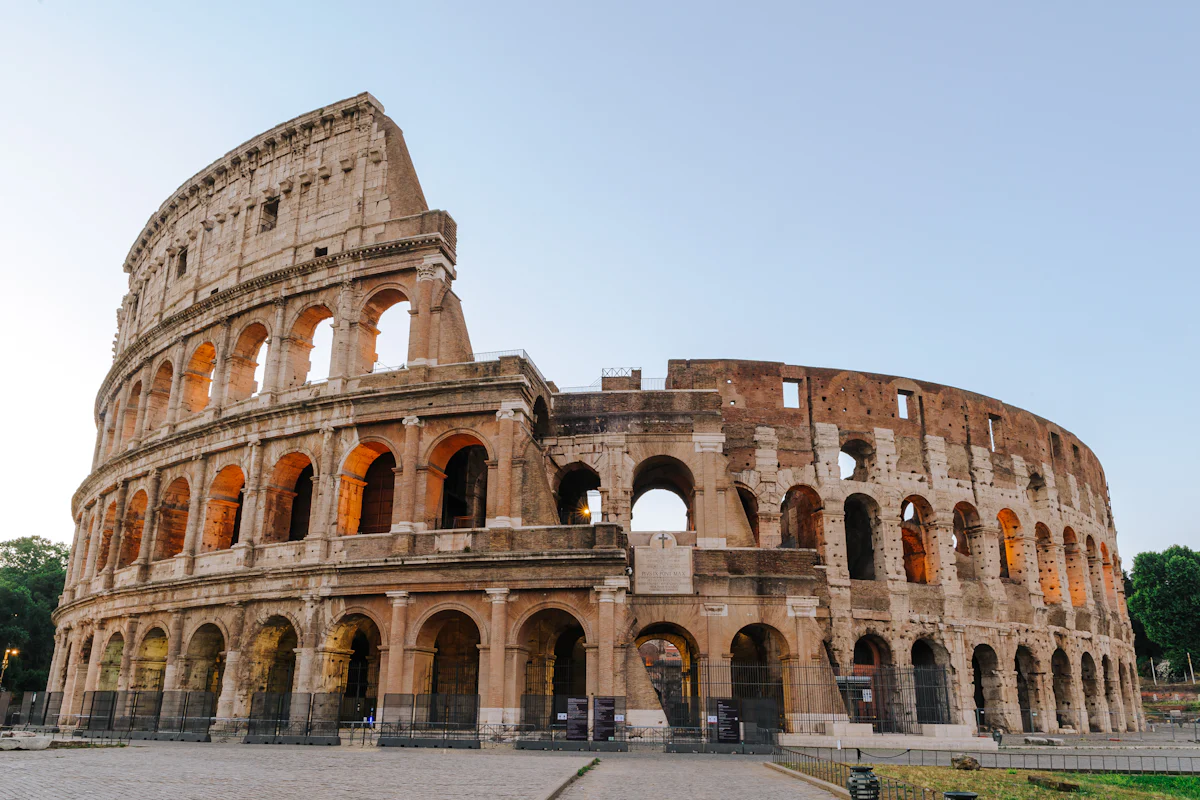
The Colosseum, Forum, Palatine, and Capitoline Hill form a natural ancient-Rome cluster. You can continue between these stops on foot without making a cross-city transfer.
The Spanish Steps, Trevi Fountain, Pantheon, Piazza Navona, and Campo de’ Fiori make a sequence through the historic center. They are not all next door to one another, but visiting them in order avoids repeatedly crossing the same streets.
The Vatican sits west of the Tiber, apart from the ancient core. Its museum visit deserves a substantial block of time. Pairing it with the Colosseum creates two demanding visits with a transfer between them; saving Trevi for that day also pulls you back toward the center.
What to Reserve Before You Arrive
The entries to plan first
The Colosseum. Check the official Colosseum visitor information and build Day 1 around the entry time and access included in the ticket you choose. Check the visit date, named-ticket requirements, Forum–Palatine validity, and any arena or underground access before paying. Different products are not interchangeable. Keep the booking confirmation available offline and follow its arrival instructions.
The Vatican Museums. Standard adult admission is €20, plus €5 for an official online reservation. Book your chosen date and time through the official Vatican Museums ticket portal; tickets are nonrefundable. Review the current prices and conditions before purchase. The visit date is what matters—not the date you bought the ticket.
The Pantheon. Standard admission is €7. Advance booking is optional, but choosing an official time slot helps organize Day 2. Use Musei Italiani through the Ministry of Culture’s Pantheon page, its app, or the on-site ticket office. The calendar is released monthly, around the middle of the preceding month.
What “skip the line” actually means
A reservation can save you from a ticket-purchase queue; it does not remove security screening or every wait. The Pantheon specifically states that skip-the-line entry is unavailable. Read what any tour or reservation includes instead of treating “priority” as a promise of immediate entry.
Start with the official channels
Check the operator’s own price and inclusions before comparing tours. The Vatican Museums warn about lookalike sales sites. A guided visit may still be useful, particularly if you want help understanding the Forum or the museum collections, but distinguish the guide’s service from the underlying admission ticket.
Choose the format before comparing prices
- Prefer to explore independently? Start with admission-only options and compare the areas included in the ticket. Leave room in your itinerary to explore at your own pace.
- Want someone to explain what you are seeing? Compare guided visits by language, group size, duration and meeting point. Confirm that the admission you need is included.
- Want commentary without a group schedule? Compare audio guides, then check whether you also need a separate admission ticket, an app, a download or your own headphones.
Compare the final total only after matching the visit date, access and format. A lower-priced audio product and a guided visit with admission are different purchases.
Tickets & guided tours
Find the right visit for your itinerary
Compare Rome admission tickets and guided tours on Tiqets. Check your date and time, included sites, guide format, meeting point and cancellation terms before booking.
Audio-guide-only options may not include entry. Allow time for security checks.
Affiliate link: BoardingNotes may earn a commission if you purchase through this link.
Compare Rome tickets on TiqetsReserve your two anchor visits first, then fit meals and optional stops around them. Avoid paying for consecutive appointments with no room for security, walking, or a delayed start.
Choosing a Base for This Itinerary
You do not need to sleep next to a particular monument. You need a base that makes your morning starts and evening returns manageable.
For this route, the historic center favors Day 2 and evening walks; Monti or the Colosseum area favors ancient Rome; Prati favors the Vatican day. Those are geographic trade-offs, not hotel rankings. Compare the exact address with all three days before choosing.
Check how you will reach the other two areas, whether your room has stairs or elevator access, and what recent reviews say about noise. A central address alone does not tell you whether the room will suit you. Leave detailed hotel comparisons for a separate accommodation decision.
Use the two hotels below as starting points for an address comparison, then choose the room and rate for your actual dates. For a three-night stay, compare the full three-night total with the same guest count, breakfast choice and cancellation conditions. A lower nightly headline price is not enough to choose between them.
A simple budget check: if one option is €20 more per night, it adds €60 over three nights. These are example amounts, not hotel quotes. Compare that extra cost with the transfer fares you would actually avoid and the convenience you value. Check the journeys for all three sightseeing days; saving one trip to the Vatican does not make every other journey shorter.
Nerva Boutique Hotel on Via Tor de’ Conti faces the Imperial Forums, placing you in Monti for the ancient Rome part of this itinerary.
Hotel Isa on Via Cicerone is a Prati option for the Vatican day, with Lepanto metro station nearby.
Affiliate disclosure: We may earn a commission if you book through the link below, at no extra cost to you.
Compare Rome stays for your dates. Enter your dates and guest count, then compare each exact address against all three days, along with the room, total price and cancellation terms.
Continuing from Rome to Bologna? Allow time for both hotel transfers and the train journey before fixing sightseeing plans in your next city. The local transport guidance below covers getting around Rome.
Affiliate link: We may earn a commission if you book through this link, at no extra cost to you. Compare Rome-to-Bologna trains on Omio. The link opens the Rome-to-Bologna train page. Select your date and confirm Rome as the departure city and Bologna as the destination; compare the departure and arrival stations, changes, baggage rules, and fare conditions before booking.
Getting Around During These Three Days
Most of the sightseeing within each day’s area is on foot. You will mainly use public transport to reach the area and return to your accommodation.
ATAC’s current fares include a €1.50 BIT ticket valid for 100 minutes, €8.50 for 24 hours, €15 for 48 hours, and €22 for 72 hours. Validity and metro-entry conditions still apply. Contactless Tap & Go and digital-ticket options are also available.
Is a 72-hour pass worth it? At these prices, €22 exceeds the cost of 14 separate BIT tickets (€21) and is less than 15 (€22.50). That is about five separate tickets per day across three days—not three rides a day. Some transfers fit within one BIT, so count the tickets you would need, not every vehicle you board. A walking-focused trip may not use enough transport to justify the pass.
And the Roma Pass? Compare it with the attractions you actually intend to enter. Rome’s tourist board advises checking each museum’s access, reservation, and opening rules individually. Do not assume a sightseeing card replaces a timed reservation or covers every stop. Check the current card terms before treating it as a saving.
Day 1: Ancient Rome
Today stays in one area, but it is the day when surfaces, slopes, and exposure matter most. Keep the afternoon flexible.
Morning: the Colosseum
Build the morning around your booked entry. An early slot can leave more room for the rest of the day, but choose one you can realistically reach from your accommodation.
Read the ticket instructions before leaving, carry any required ID, and allow time for the approach and security. Do not assume an arena, underground, or guided route is included because another ticket description mentioned it.
Midday: Roman Forum and Palatine Hill
Continue into the Forum–Palatine area according to your ticket’s access and validity rules. This is where the day can become long: archaeological paths, slopes, and outdoor sightseeing take more effort than the map suggests.
Choose a few priorities instead of trying to follow every path. In warm weather, make time for water and a proper break; in rain, expect surfaces to be less comfortable. Shortening this part of the day is a sensible adjustment if you are tiring.
Late afternoon: Capitoline Hill and Piazza Venezia
Continue toward Capitoline Hill and Piazza Venezia if your energy allows. Treat this as an outdoor finish, not an automatic commitment to another museum. Check your exit and onward route before leaving the archaeological area, because they determine the walk you actually make.
Optional evening: Monti
Monti is a convenient area to consider for the evening. Treat it as a flexible finish, not a fixed stop. If the Forum wore you out, go back to your accommodation rather than forcing another walk simply to complete the list.
Day 2: The Historic Center
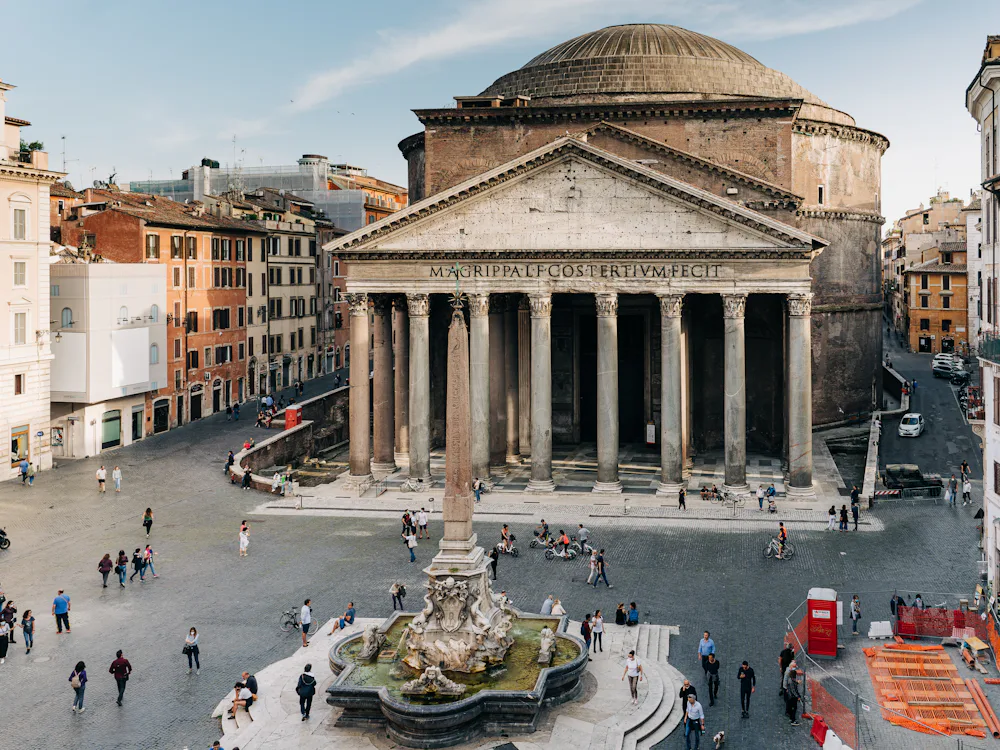
This is the most flexible day, with several places you can enjoy from the outside. It still involves walking and crowds; it is not automatically an easy day for everyone.
Morning: Spanish Steps to the Trevi Fountain
Start around the Spanish Steps and continue toward Trevi. Climbing the steps is optional; you can enjoy the square without making the climb part of the route.
At Trevi, the view from the piazza remains free. Standard entry to the inner perimeter beside the water costs €2. Buy it only if the closer viewpoint matters to you.
The official Trevi visitor site lists inner-area opening at 11:30 a.m. on Mondays and Fridays and 9:00 a.m. on other days, with closing at 10:00 p.m. and last entry at 9:00 p.m. For November 9 and 23 and December 7 and 21, 2026, the listed opening is later: 2:00 p.m. Holiday schedules and cleaning can also change the usual hours, so check your exact date. If the paid area has not opened, use the free viewpoint or return later.
On-site payment is by card. The inner area has no restrooms or cloakroom, so make those stops beforehand.
Midday: the Pantheon
Continue toward the Pantheon for your planned visit. Normal visitor hours are 9:00 a.m.–7:00 p.m., with last individual entry at 6:30 p.m. It remains an active basilica: cover your shoulders and dress appropriately.
Religious services can interrupt tourist access. Regular Mass is listed at 5:00 p.m. on Saturdays and the eve of feast days, and 10:30 a.m. on Sundays and holidays. Check the official visitor information for your date instead of assuming continuous access throughout the opening period.
Afternoon: Piazza Navona and Campo de’ Fiori
Continue to Piazza Navona and then Campo de’ Fiori. This is the least structured part of the itinerary. Leave room for lunch, a café stop, or simply sitting in a square instead of adding another timed admission.
Optional evening: Trastevere
Cross the river if you still have energy. Trastevere adds walking and another return journey, so decide after the afternoon rather than committing before you know how you feel. You can finish the historic-center day without it.
Day 3: The Vatican and the Western Center

The Vatican Museums and St. Peter’s Basilica are separate visits. They have different entrances and entry arrangements. Allow time between them and do not assume an internal shortcut is available with your museum ticket.
Morning: Vatican Museums and the Sistine Chapel
The official museum calendar normally lists Monday–Saturday opening from 8:00 a.m. to 8:00 p.m., with final entry at 6:00 p.m. Most Sundays are closed. The last Sunday of the month normally has free morning admission and shorter hours, subject to calendar exceptions. Check holidays and temporary closures before booking. On November 10, 2026, all museum sectors are closed from 8:00 to 9:00 a.m. On December 4 and 18, the Sistine Chapel closes at 6:00 p.m., with last entrance at 5:30 p.m., even though the wider museum normally remains open later. Use your dated booking to set the day’s start.
Give the Museums a substantial block of your morning. The route to the Sistine Chapel passes through museum galleries; do not plan it as a quick standalone chapel visit.
The visitor rules affect what you bring:
- Dress appropriately for religious spaces: avoid sleeveless or low-cut clothing, shorts above the knee, miniskirts, and hats.
- Bags unsuitable for the galleries must go in the free cloakroom. Collect anything left there before continuing to the Basilica; a small day bag simplifies the visit.
- Photography and filming are prohibited in the Sistine Chapel, where silence is requested.
- There is no museum Wi-Fi, and cooling is limited in some spaces. Download tickets and essential information beforehand.
Midday: St. Peter’s Basilica
Basilica admission is free. Optional paid reservations and audio-guide services are separate from basic admission; the dome is a separate visit too. Do not buy an add-on believing it is the only way to enter.
Allow for security screening and a respectful, unhurried visit. Religious events can alter access. Check the Basilica’s current opening hours shortly before your trip; the dome has its own timetable. If the morning has already been demanding, leave the climb out and spend time in the square instead.
Optional afternoon: Castel Sant’Angelo or Prati
Castel Sant’Angelo is a possible continuation if you want another interior. Normal opening is Tuesday–Sunday, 9:00 a.m.–7:30 p.m., with last entry at 6:30 p.m.; standard admission is €18. Booking is recommended, especially on weekends and holidays. Tickets are personal, and an original ID is required.
Mondays are normally closed, though special first-Monday afternoon openings are scheduled through December 2026. Check the museum’s current information before relying on an exception.
If you would rather stop visiting interiors, choose a shorter walk or a break in Prati. You do not need to add the castle simply because it is nearby.
When to Change the Order of the Days
Sunday should usually be your historic-center day, not your Vatican Museums day. Check the Museums’ calendar even if your dates include the last Sunday. Keep the Pantheon visit clear of services.
Monday changes the optional castle stop. Unless a special opening applies, use Prati or finish after St. Peter’s. There is no need to rebuild the entire Vatican day around an optional museum.
Free-admission days are not automatically easier days. Booking and queue arrangements can differ from normal paid entry. Read the operator’s instructions for that specific date before organizing a short trip around a saving.
Once you have workable anchor bookings, leave the historic-center day as the flexible part of the schedule. Recheck temporary closures and transport changes shortly before departure.
Keep, Swap, or Skip: What to Cut When the Plan Is Too Full
| If this is true of you | Keep | Swap | Skip |
|---|---|---|---|
| Ancient history is your priority | Colosseum and an unhurried Forum–Palatine visit | Give Day 1’s optional evening time to rest | An extra museum interior that does not interest you |
| Art is your priority | A generous Vatican Museums block | Trade the castle interior for a slower afternoon | Less important paths on Day 1 |
| Religious sites matter most | St. Peter’s and the Pantheon | Consider the Basilica first, around services and tickets | The dome if stairs or time are a concern |
| Walking is difficult | Your most important accessible visits | Use shorter routes and transport after checking access | Trastevere and optional climbs |
| Crowds drain you | One main appointment per half-day | Use Trevi’s free viewpoint | Another queue just for a closer photograph |
| Rain is forecast | Your booked indoor priorities | Reorder days only if tickets allow | Extended outdoor wandering |
| Your preferred slot is unavailable | Bookings you can actually secure | Change the day order or reassess priorities | A rushed combination of both anchor visits |
| You have only two and a half days | Your two highest priorities | Shorten the remaining area’s route | Optional evenings and extra interiors |
Rainy Days, Low Energy, and Short Days
The Vatican Museums provide a substantial indoor visit, but an existing booking is not a weather-flexible pass. Check the terms and availability before moving it. The Pantheon is a shorter indoor stop. Castel Sant’Angelo includes outdoor areas, so it is not a completely sheltered substitute.
For low energy, shorten Day 2 to the places you most want to see and a long lunch. On Day 1, reduce the archaeological walking; on Day 3, choose the Basilica or Museums according to your priorities rather than pushing through both. Cutting a meaningful amount is more useful than keeping every stop and rushing them all.
Common Three-Day Rome Planning Mistakes
- Treating arrival day as a full sightseeing day. Leave time for the transfer and getting settled.
- Booking back-to-back entries. Include security, walking, and breaks between appointments.
- Assuming one ticket covers the whole Vatican. Plan the Museums and Basilica separately.
- Using an unverified seller or the wrong ticket details. Check the operator, names, date, and inclusions before paying.
- Ignoring worship and closure schedules. A site can have visitor hours and still restrict tourist access during a service.
- Booking three days of interiors. Rome’s squares, streets, and bridges deserve time too.
Your Before-You-Go Checklist
High-priority reservations
- Colosseum visit with the entry time and access you want.
- Vatican Museums on a day shown as open in the official calendar.
- Pantheon visit planned around services; book ahead if useful.
- Check names, dates, inclusions, and ID instructions on confirmations.
Optional reservations
- Castel Sant’Angelo, if you want another museum.
- Trevi’s inner perimeter, if the closer view matters.
- St. Peter’s dome or a guided visit, if it fits your priorities.
Verify shortly before you travel
- Opening hours, special closures, and religious celebrations.
- Current admission prices and transport fares.
- Transport disruptions and accessibility arrangements.
- Saved tickets, arrival instructions, and your accommodation route.
Mobile data: If your current roaming plan does not provide enough data for Italy, compare an eSIM for maps and travel updates. Airalo requires an eSIM-compatible, carrier-unlocked device. Check the data allowance, validity period, and activation instructions before buying, and keep maps and tickets available offline.
Affiliate disclosure: BoardingNotes may earn a commission if you purchase through this link. Compare Airalo eSIM plans for Italy.
Keep flexible
- Meals, shopping, and evening walks.
- Monti, Trastevere, and the optional castle visit.
- The historic-center day when the booked visits allow a swap.
Frequently Asked Questions
Is three days enough for Rome?
It is enough for a focused first visit covering ancient Rome, the historic center, and the Vatican. It leaves out many museums, outer neighborhoods, and day trips. Accepting those limits makes the itinerary more enjoyable.
Can you visit the Colosseum and the Vatican on the same day?
It is possible, but this itinerary separates them because both deserve time and involve entry logistics. Combining them leaves less room for the Forum, museum galleries, breaks, and delays.
Do you need advance tickets for Rome’s major attractions?
Plan the Colosseum and Vatican Museums first. Pantheon advance booking is optional. Basic St. Peter’s Basilica admission is free, with security screening; the piazzas and free Trevi viewpoint need no admission booking.
Is the Roma Pass worth it for three days?
Only a comparison with your chosen attractions and transport use can answer that. Check current inclusions and reservation rules, then compare the total with separate tickets. Do not buy it just because its validity matches the length of your trip.
How much walking does this itinerary involve?
Expect several hours on your feet each day, including standing in museums and queues. Day 1 has uneven ground and slopes; Day 3 has a long museum route. Day 2 is easiest to shorten, but it is not a measured or universally accessible walking loop.
Does this itinerary work with children or limited mobility?
With adjustments. The Vatican Museums list elevators and family facilities, but each site’s access arrangements need separate checking. Reduce optional stops, plan breaks, and choose a route suited to your group’s needs before booking.
What should you cut if you only have two and a half days?
Start with the optional evenings and extra interiors. Keep your two highest priorities, then shorten the remaining area. If both the Colosseum and Vatican Museums matter, accept a lighter historic-center visit instead of promising yourself the full three-day plan.
What if my trip includes Sunday or Monday?
Use the official calendars to assign your anchor days first. Most Sundays rule out the Vatican Museums; Mondays usually rule out the optional Castel Sant’Angelo interior. The day labels can move—the geographic groupings should stay together where possible.
Before You Book Anything
Check your actual sightseeing time and the closure calendar, choose your two anchor visits, then leave room around them. Rome will not be finished in three days. The point is to see the essentials without spending the trip recovering from your own schedule. Explore all Italy travel guides.